Travel Tip #9: How to get the Most Out of Every Day

Travel Tip #9: Advice from a Purple Hippo

Whether sightseeing in the country or city there are several things that you need to do in order to be able to appreciate your trip.

First, make sure to take lots of breaks, you are going to be walking for miles each day, so take it easy.

These umbrella like plants at Kew Gardens provide an excellent shady spot in which to take a quick break

Be sure to stay well hydrated, this is very important. If you overheat you will become very grumpy, so drink plenty of cool water.

The fountain in the Queen’s Garden at Kew Gardens is a great place to have some refreshing water

If you can catch a ride with a local, do so. Locals can give you a more authentic perspective into what daily life is really like at your destination.
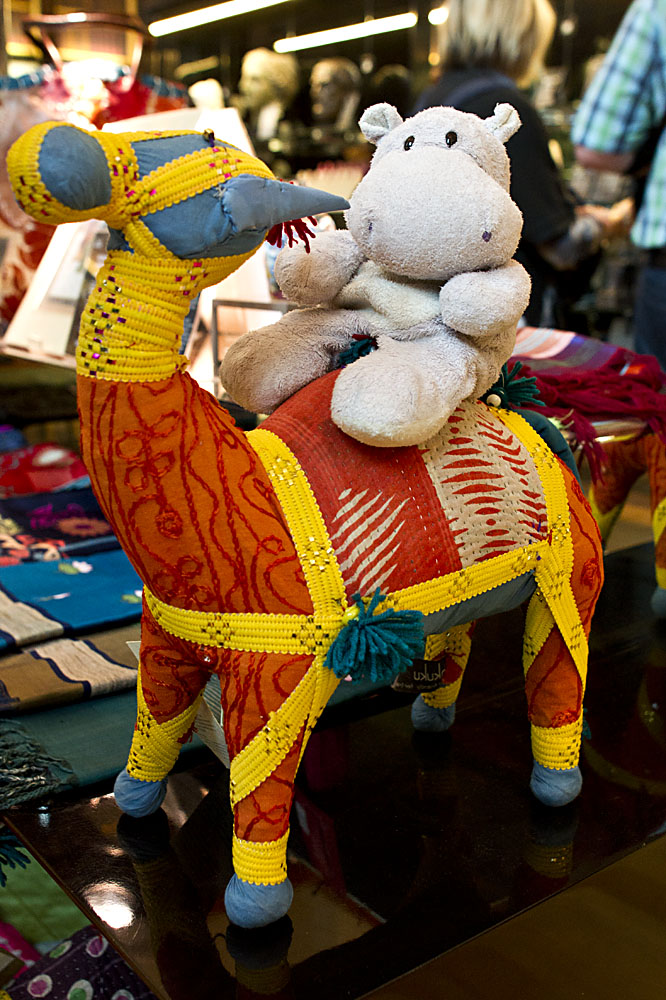
This colorful camel was able to show me around the British Museum, a place he has called home for several years

Most importantly, be sure to relax, a stressed explorer is not a happy explorer. Be sure to smell the flowers and enjoy the experience, no matter what it brings.

Stop and smell the Azaleas, but be sure not to eat too many of them, people will notice

Hopefully these tips will help you make the most out of every day of your vacation. Be sure to enjoy yourself and take lots of breaks.

Click here to see more of my Travel Tips.
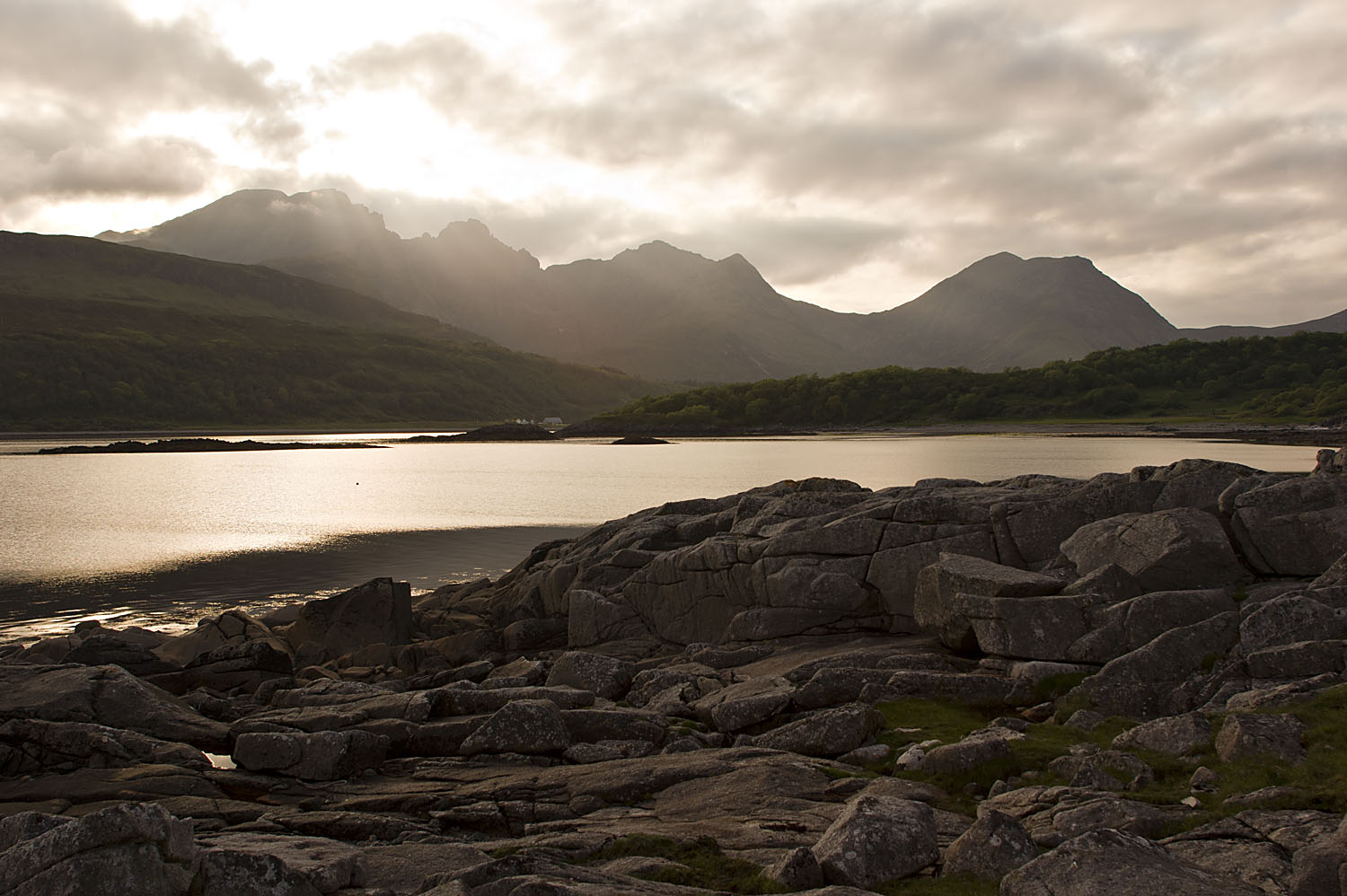
Loch Slapin, Isle of Skye

Loch Slapin on the Isle of Skye, Scotland, is an exquisite place to escape from it all. We suggest exploring the coastline around dusk to be able to enjoy the tranquility and beauty of this area of the Island.

Bla Bheinn and Clach Glas mountains on the opposite side of Loch Slapin

Loch Slapin, an ideal retreat

The sun slipping behind the mountains, across from Loch Slapin

This lovely view is just a short drive from the ruins of Cill Chriosd, on the road from Broadford village to Elgol.

Tiny Hippo in the Silver Galleries at the Victoria and Albert Museum

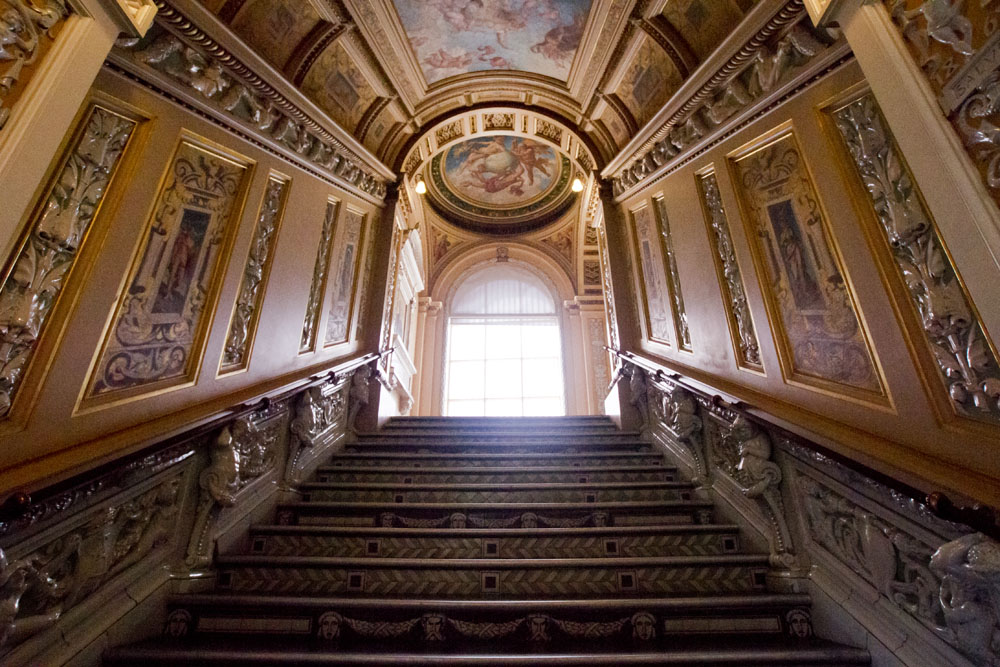
There are tons of great things to see when visiting the Victoria and Albert Museum in London. The silver galleries beautifully house an exquisite collection of silver. The most spectacular way to enter the galleries is by the Ceramic Staircase which provide a glimpse into the original designs of the museum and the founding desire to focus on design as well as craft.

The Ceramic Staircase is a remarkable entrance to the Silver Galleries

The Ceramic Staircase is as functional as it is fanciful, and no one minds if a tiny hippo slides down the banister; in fact, a small crowd formed while this hippo slid gleefully down the railing

Once you reach the Silver Galleries be sure to note the two Minton ceramic clad columns that were reconstructed after a discovery of some of the original tiles in the museum’s basement.

Minton ceramic column in the Silver Galleries

There are many strange and delightful trinkets on display in the Silver Galleries.

These sharp bird scissors are just one of the many whimsical things that live in the silver gallery

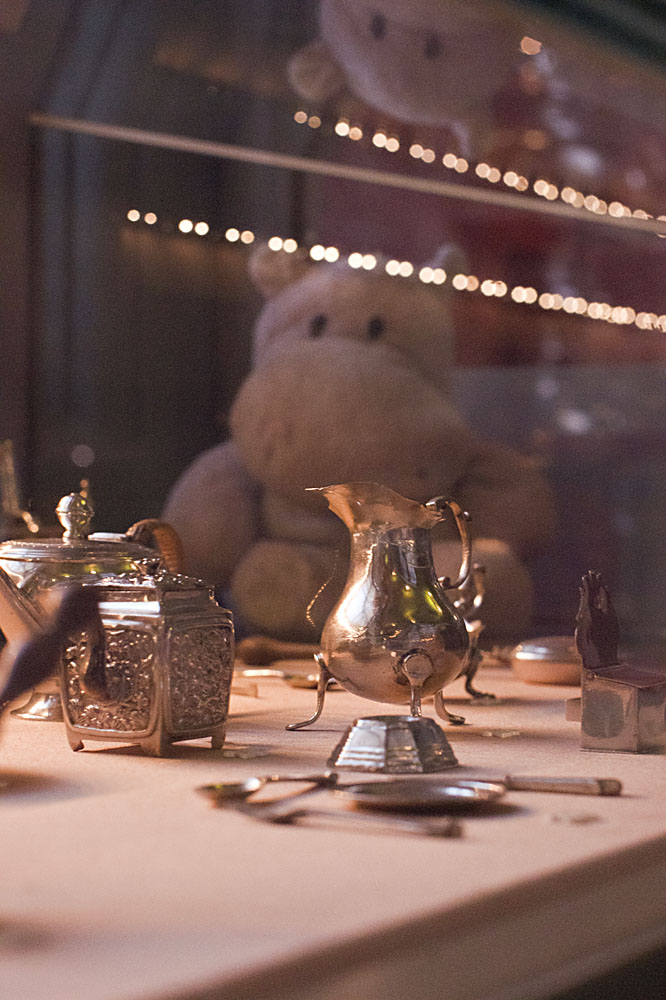
There are a wide variety of miniature silver pieces in the collection, many of which were designed for children.

While children may have been the intended users of these pieces, one should not negate the ways in which a tiny hippo could take advantage of them, if only someone would open the case for him

There are a number of hands on activities in the Silver Galleries.

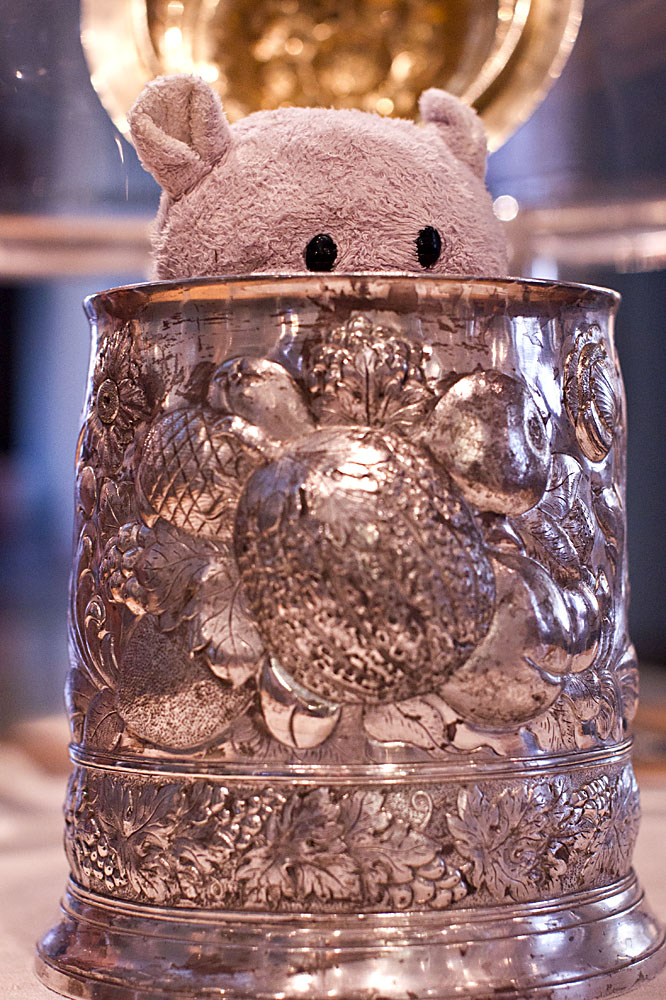
Playing hide and seek in the silver steins is a favorite game for any hippo visiting the galleries

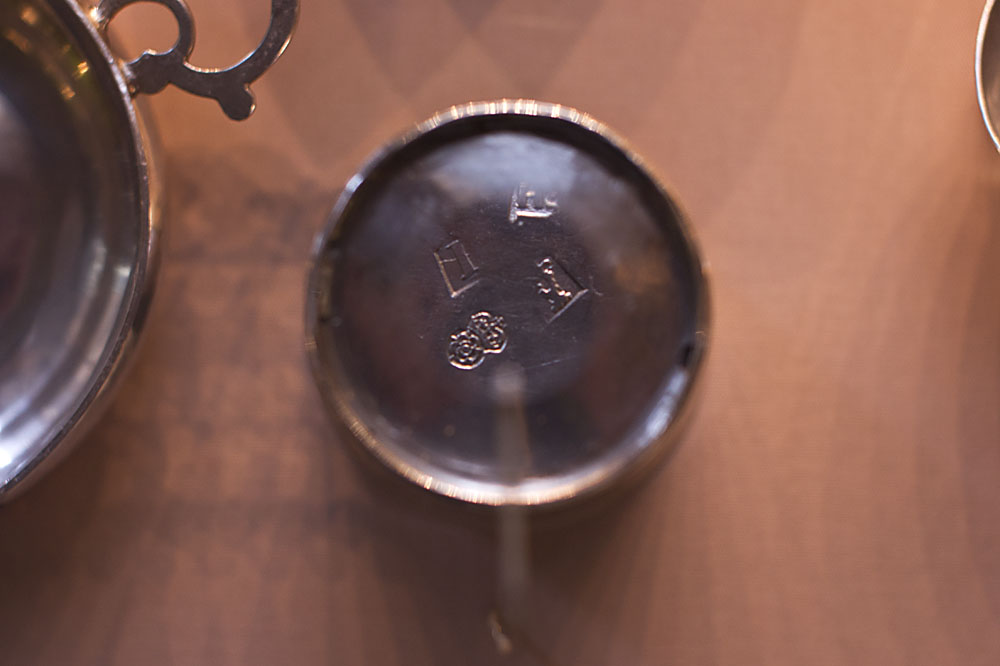
There is also a great activity where you can make your own hallmark, just like those found on real silver.

One can first view real hallmarks through magnifier glass on the works displayed in the galleries before trying to create a hallmark

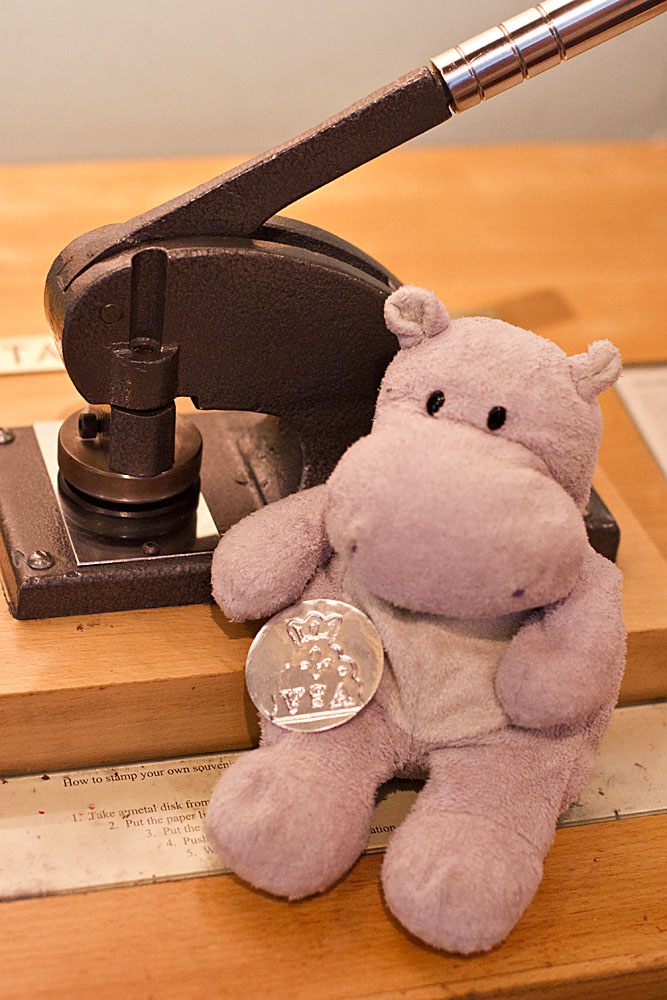
Here is the process for creating your own hallmark.

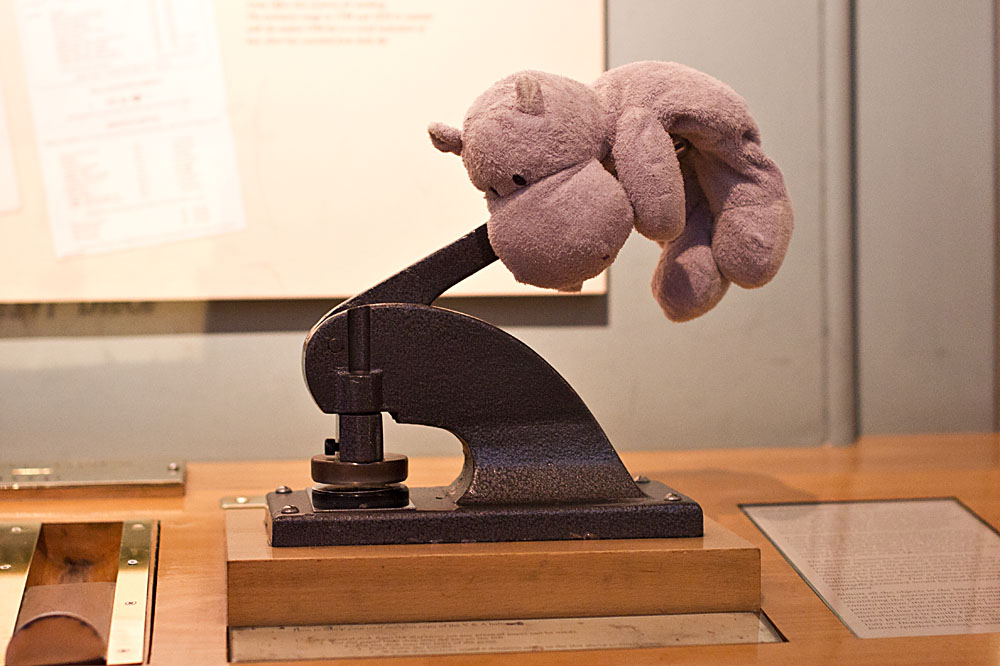
Place the silvery disc under the press, be sure to center it evenly

Apply all your force on the lever

Retrieve your treasure, it is your badge of honor for a wonderful visit to the Silver Galleries at the Victoria and Albert Museum

The Silver Galleries at the Victoria and Albert Museum provide a wonderful display of imagination and creativity. I would highly recommend a trip to this museum and a playful exploration of the Silver Galleries, located on the third floor.

Cill Chriosd (Christ’s Church or “Kilchrist”), Isle of Skye

Cill Chriosd or Kilchrist meaning Christ’s Church is a ruined pre-Reformation parish church of Strathaird, Isle of Skye, Scotland. The first written record of the church located at this site is from 1505 when Kenneth Adamson succeeded John MacGillivray as chaplain. The parish was used by the community until 1840 when a new building was established in the near-by town of Broadford.

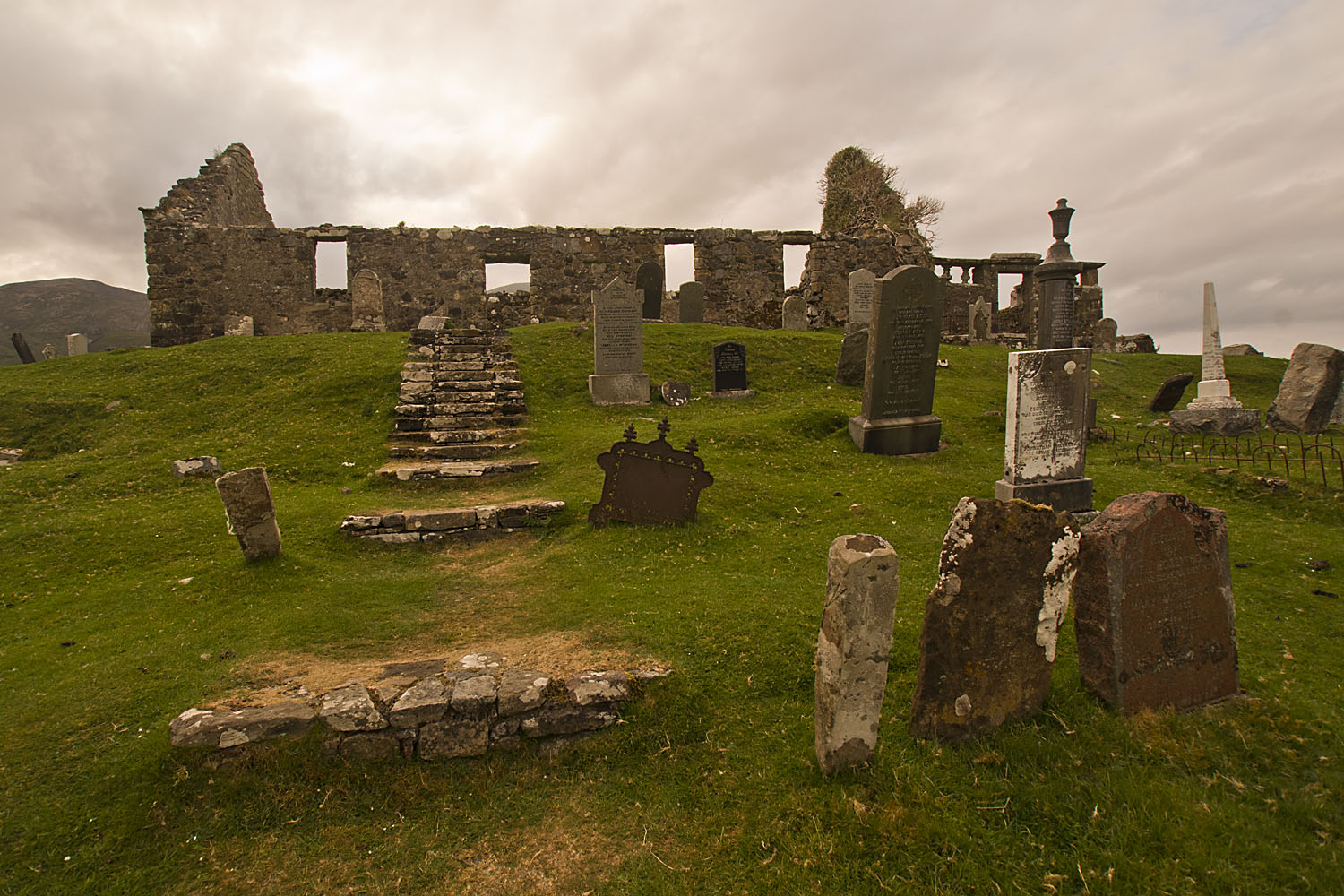
The path leading up to Cill Chriosd

These ruins are so very quiet and calm, the only noise that one will hear is the bahs of lambs calling to their moms.

The ruins are located next to a single-track road, surrounded by the omnipresent sheep.

To enter the ruins, one passes through a small iron gate that is often left open, as can be seen by the neatly trimmed grass, a hallmark of the free-range sheep of the area.

Iron gate leading to the ruins of Cill Chriosd

Here you can see the meticulously maintained grass, thanks to the sheep

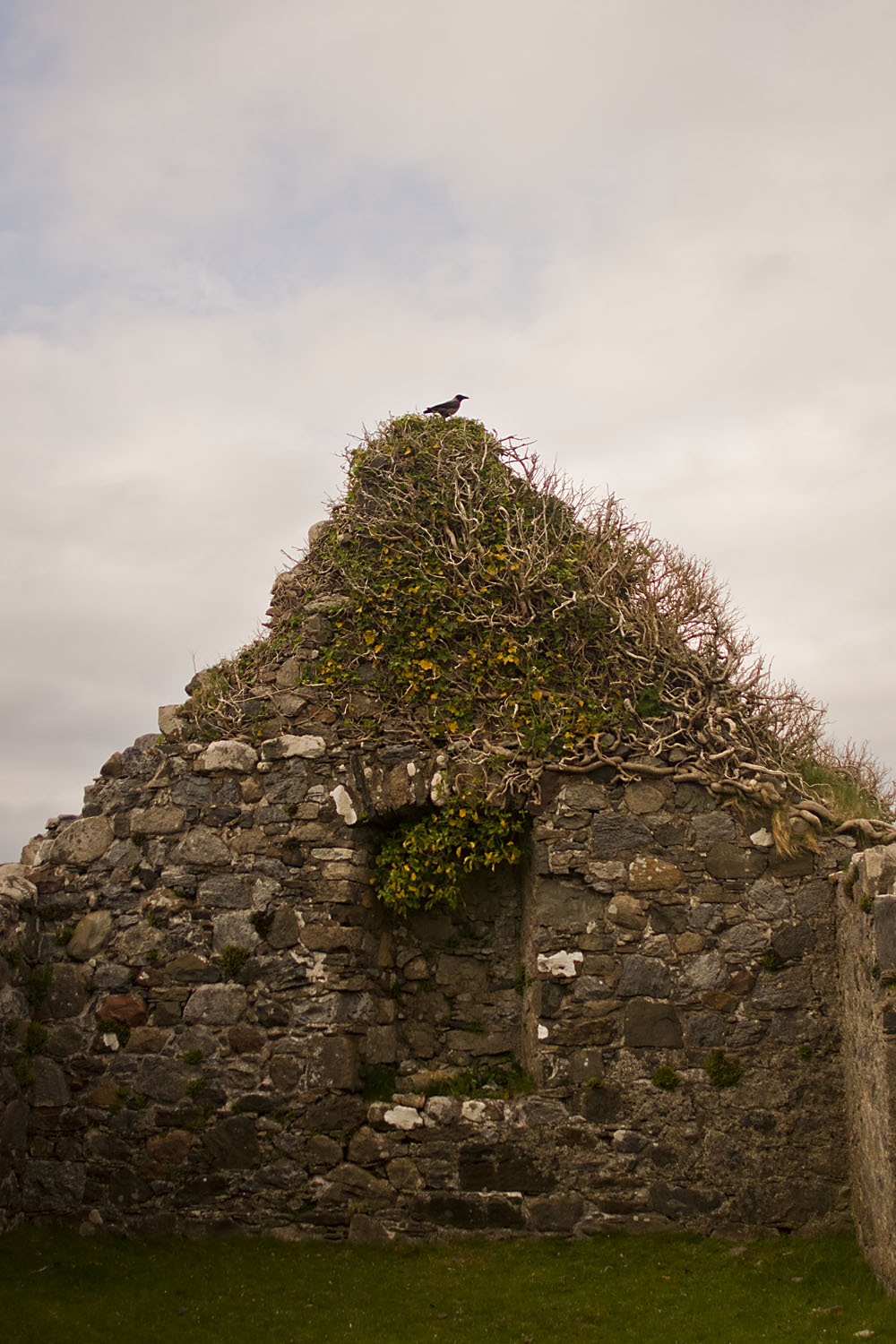
Sheep are not the only visitors to the ruins, this bird watched us while we explored the grounds

Bird taking flight from the ruins

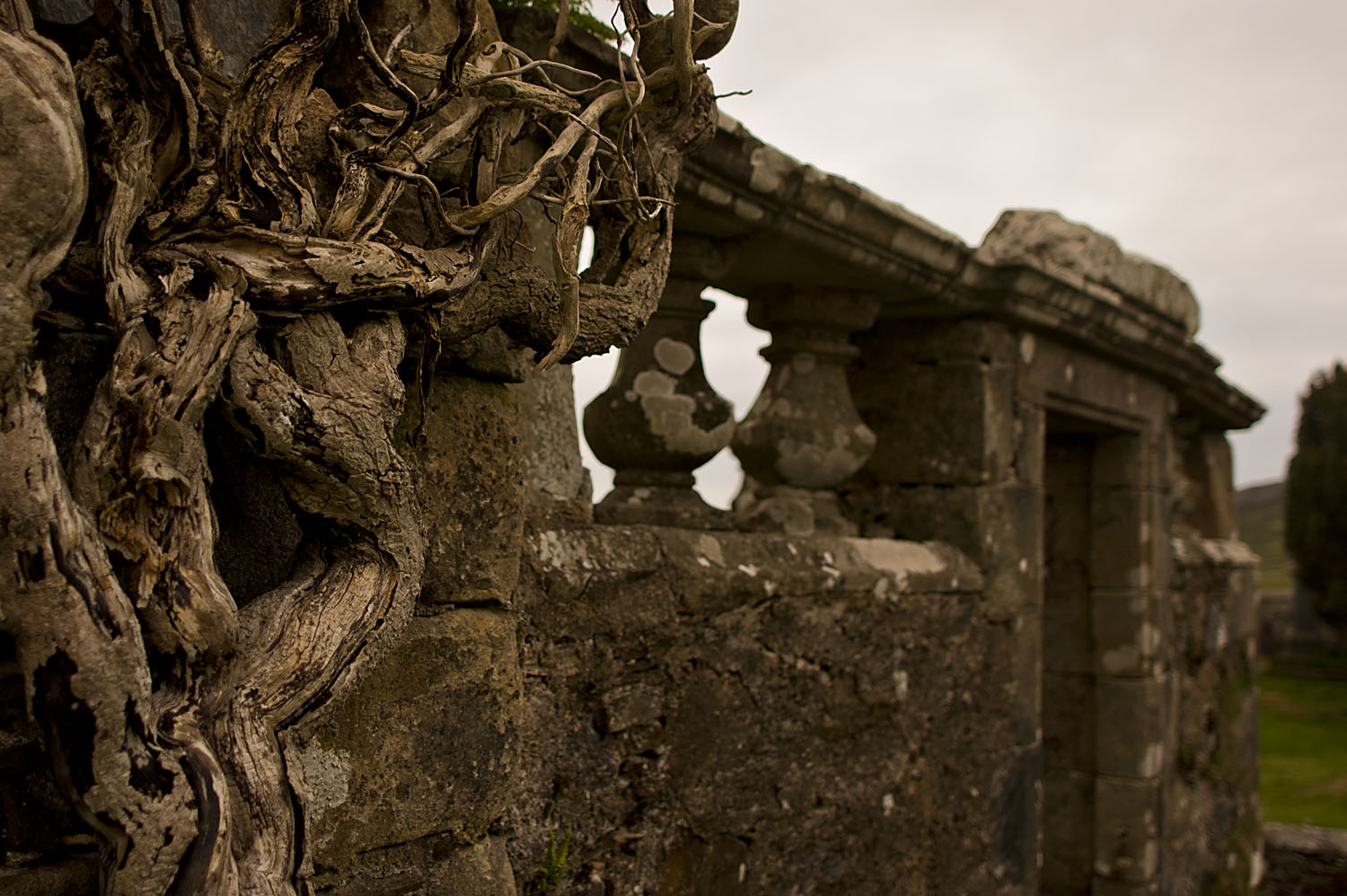
We loved the way this tree has become part of the ruins

Looking towards the burial enclosure

East end of Cill Chriosd,showing the burial enclosure

The burial enclosure of the parish looking toward Beinn na Caillich (Red Hills)

Looking through the entrance to the burial enclosure up to Beinn na Caillich

The Red Hills and the sheep add a comforting and strangely desolate feeling to these ruins.

Cill Chriosd, solemn and serene

This little lamb was perfectly at home in the shadows of the ruins of Cill Chriosd

Cill Chriosd is an understated attraction, the only reason that we stumbled upon it was because we were staying just a few minutes up the road from it at Swordale House, a delightful bed and breakfast that I would recommend to anyone staying on the Isle of Skye.

This picture was taken from just outside the ruins, the building in the distance is Swordale House

While Cill Chriosd does not offer the most spectacular of ruins, it is an impressive monument to hundreds of years of religious island life. You will not have to fight the crowds to explore this wonderful site, so be sure to stop by.

Cill Chriosd is about two miles from Broadford village on the B8083 road to Elgol.

The Needles, Isle of Wight

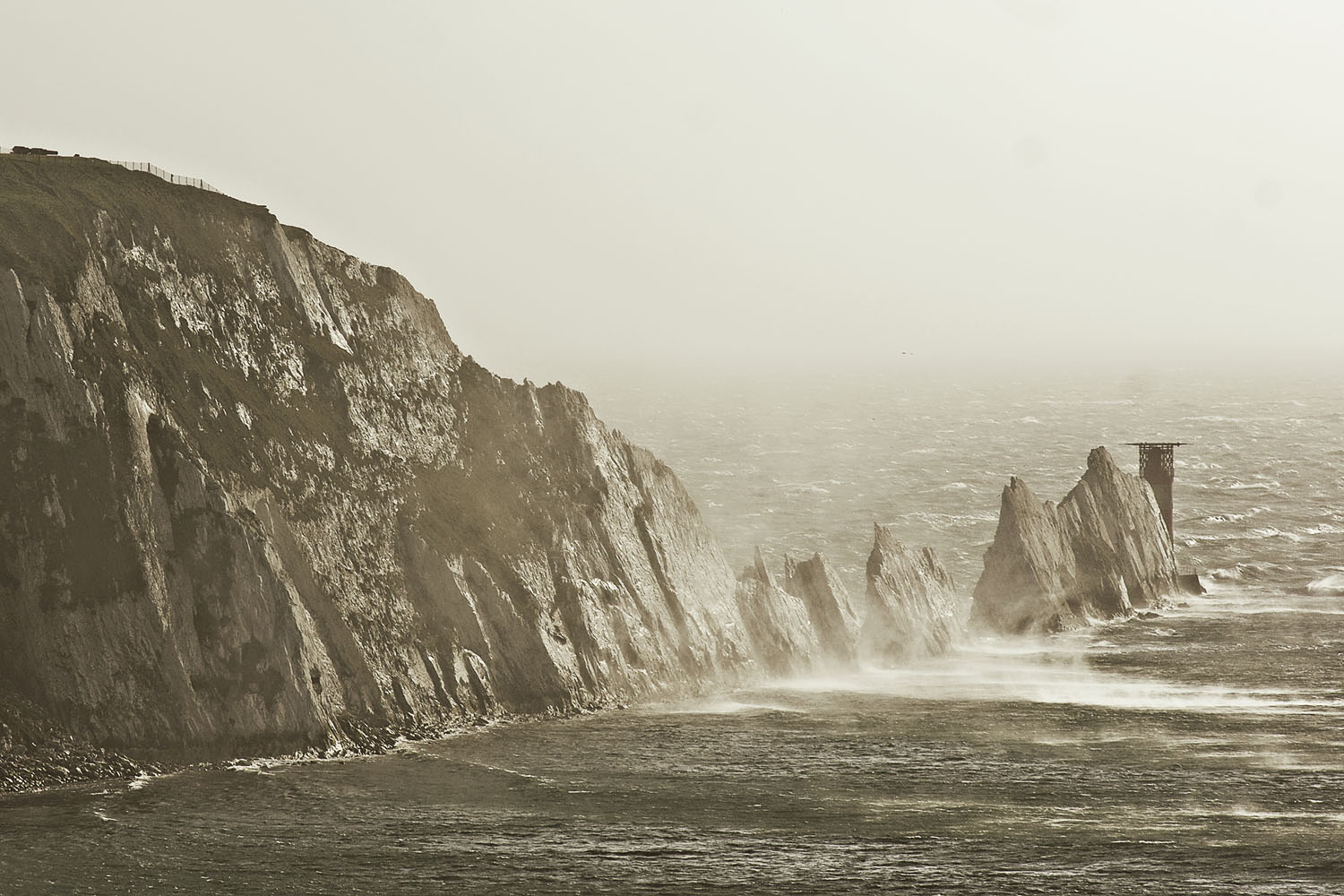
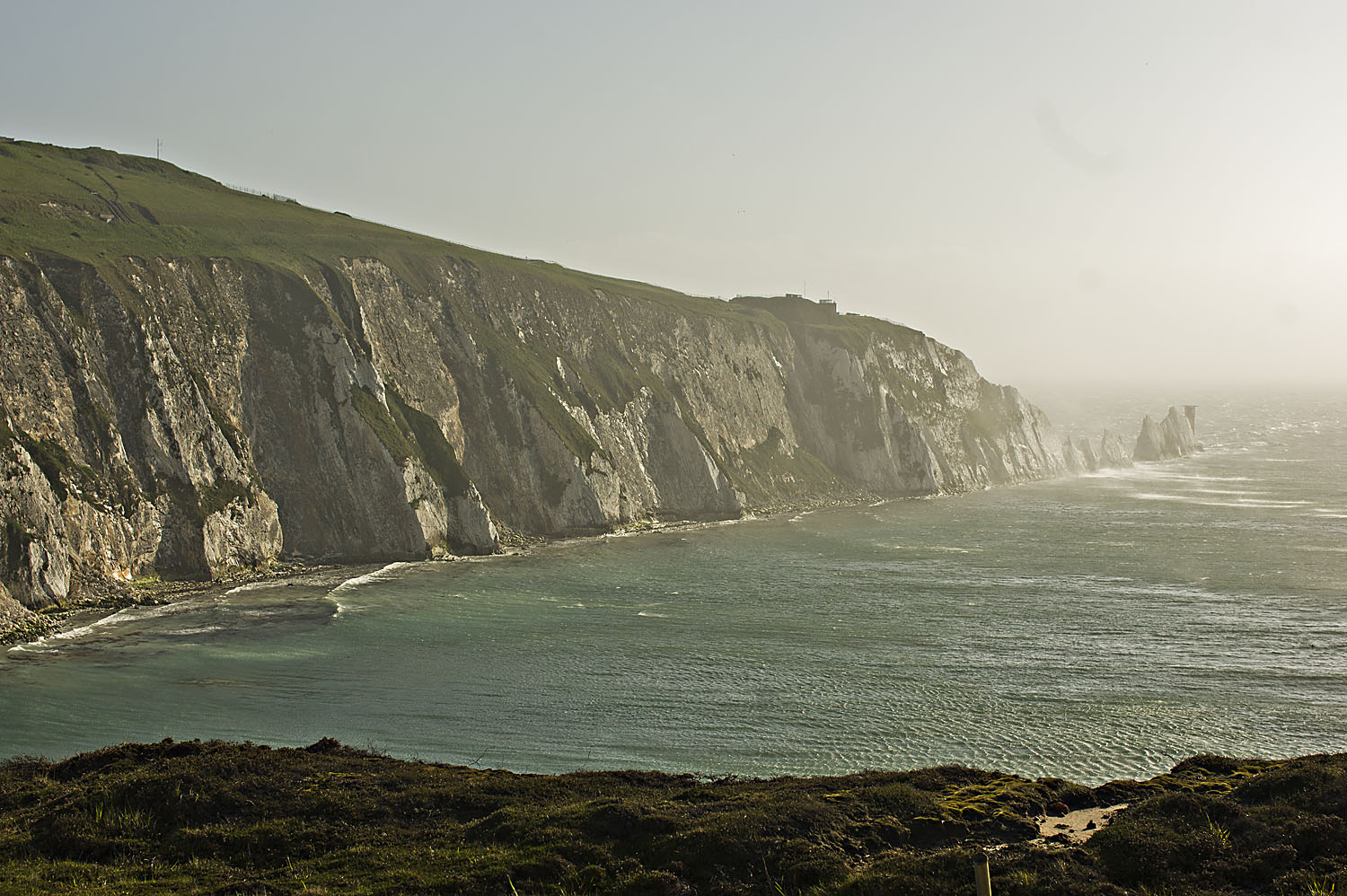
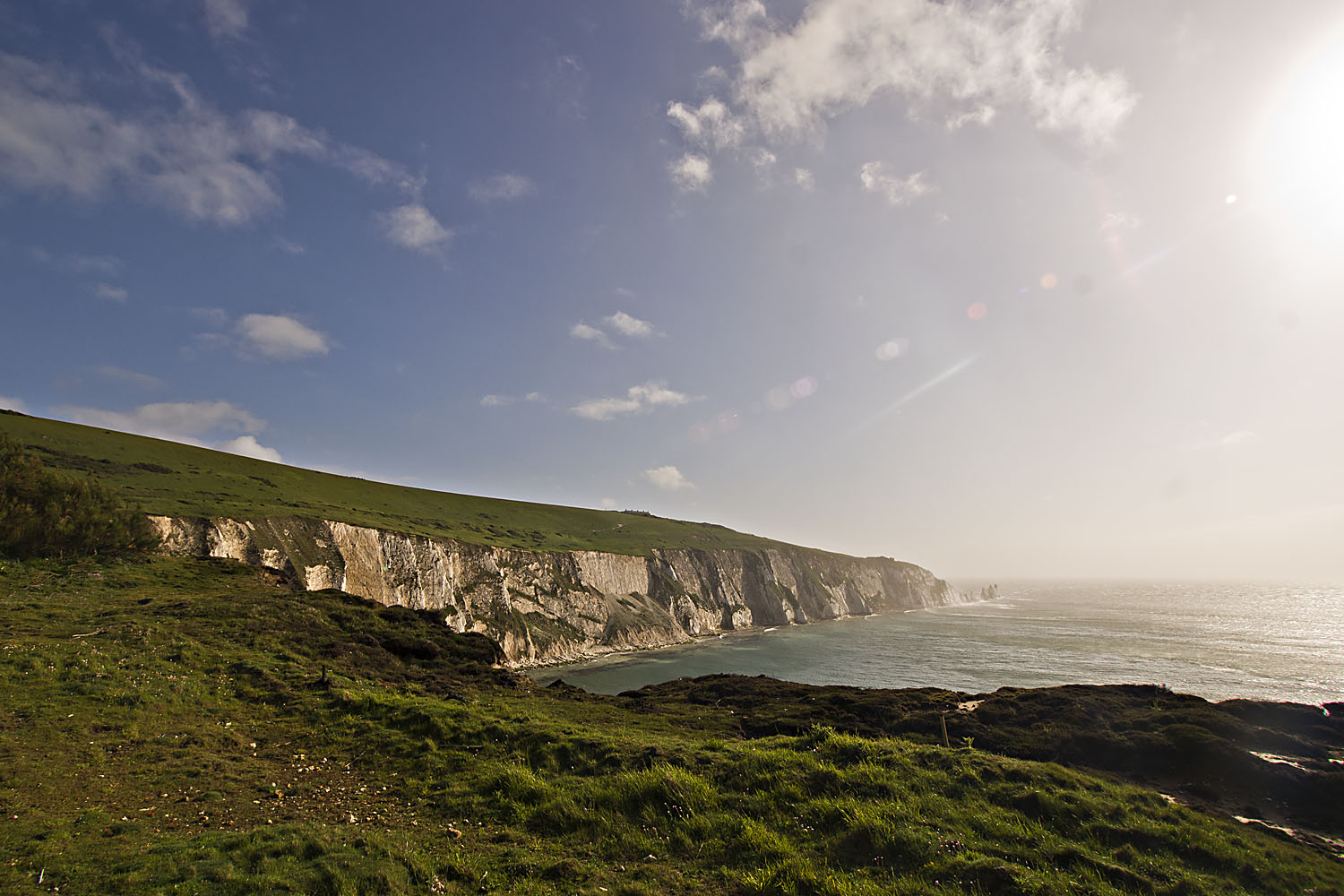
The Needles is a unique row of chalk stacks that rise out of the sea off of the western edge of the Isle of Wight, England. When we went to view them, the wind was so strong that I was rather concerned that we would get whisked away. At one point my husband’s camera strap was blown off his neck (this concerned him more than being near the edge of a cliff even though he is terrified of heights).

The Needles, standing strong against the wind and the waves

The little building at the end of the Needles is a lighthouse that was built in 1859

The Needles, marching out to sea

The Needles are an amazing sight and well worth a visit, just be sure to hold on to your camera if the wind is up.