There are many wonderful and unique attractions that can be viewed at Kew Gardens.
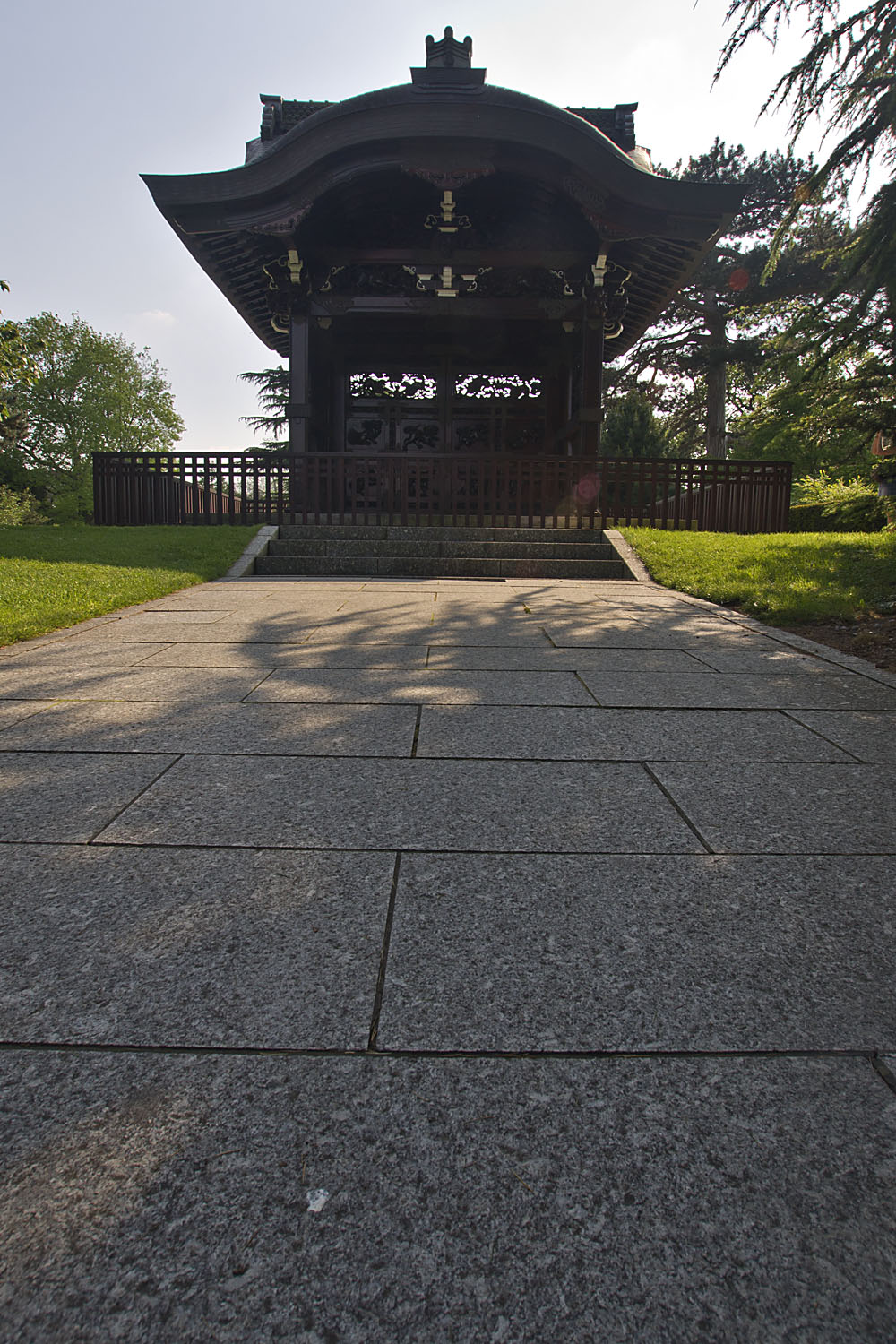
The serene Garden of Harmony with the Chokushi-Mon (Imperial Envoy’s Gateway) are gems in Kew’s landscape.
There are many wonderful and unique attractions that can be viewed at Kew Gardens.
The serene Garden of Harmony with the Chokushi-Mon (Imperial Envoy’s Gateway) are gems in Kew’s landscape.
The gateway is a four-fifths replica of the 1573 Nishi Hongan-Ji gate in Kyoto, Japan. The gateway was created for the Japan-British Exhibition in London in 1910. Once the Exhibition was over the gateway was dismantled and reconstructed on Mossy Hill, near the Pagoda in Kew Gardens.
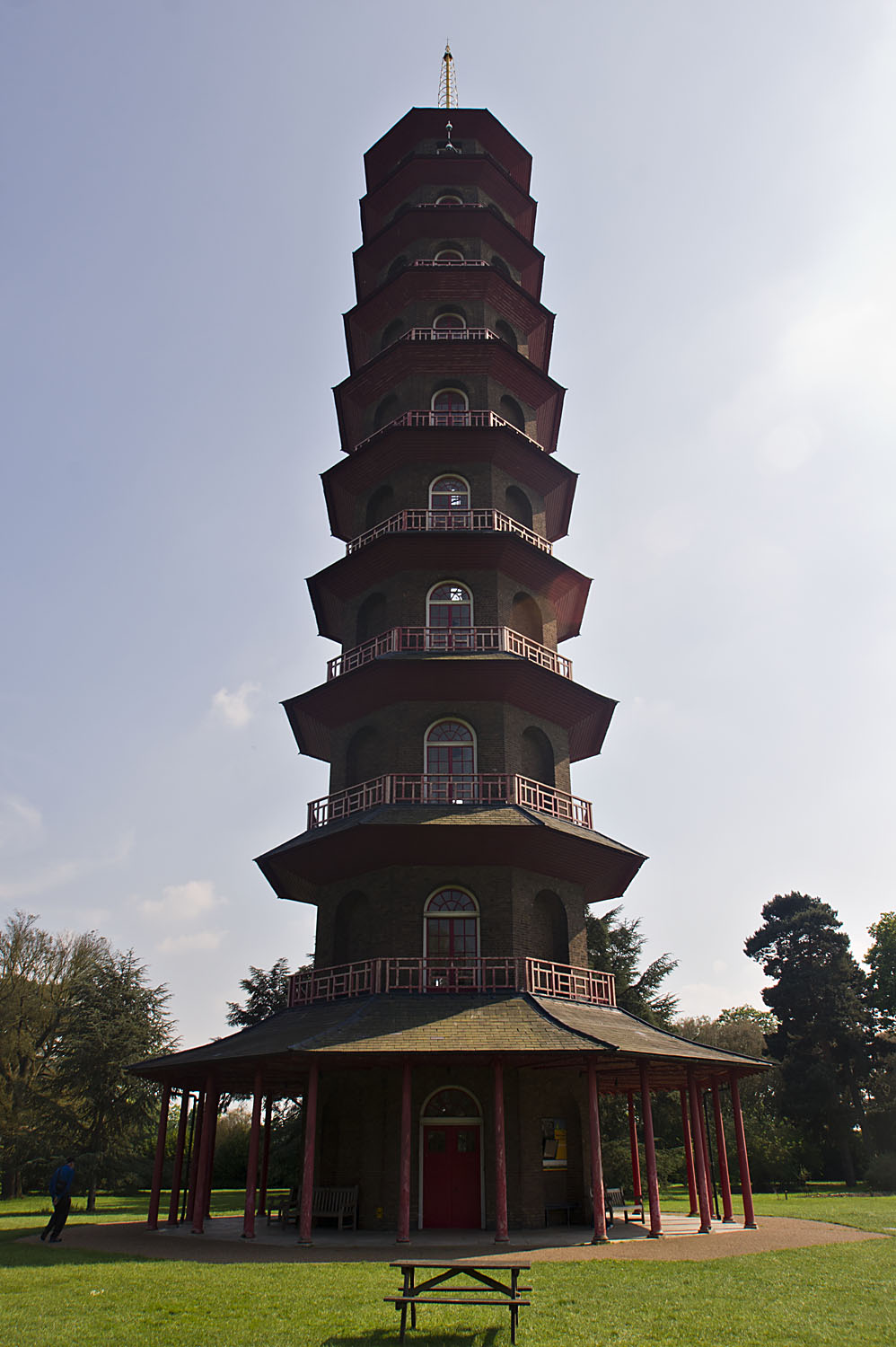
The Great Pagoda was completed in 1762 under the supervision of Sir William Chambers from a design imitating traditional Chinese pagodas.
We ended our tour of Kew Gardens with a relaxing break under the shade offered by the Great Pagoda.
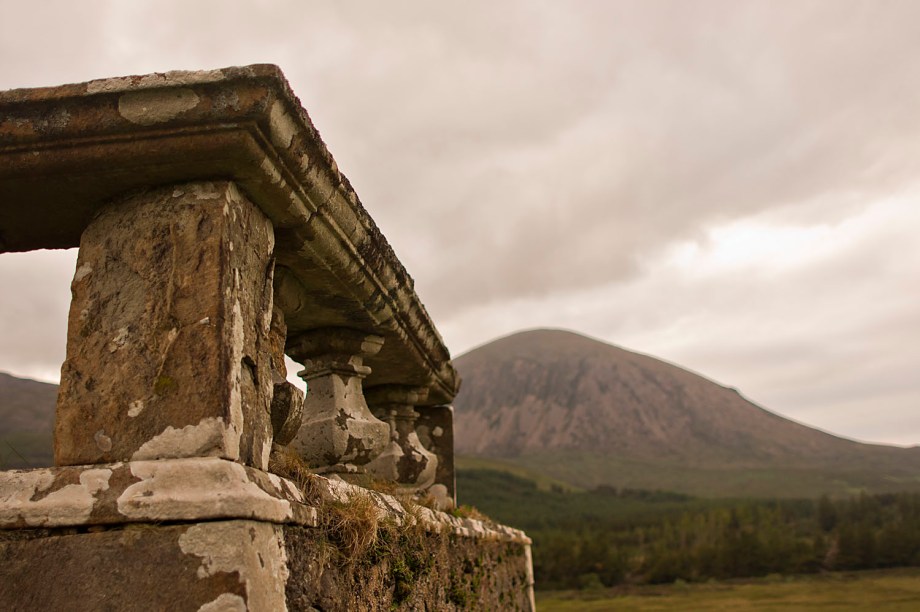
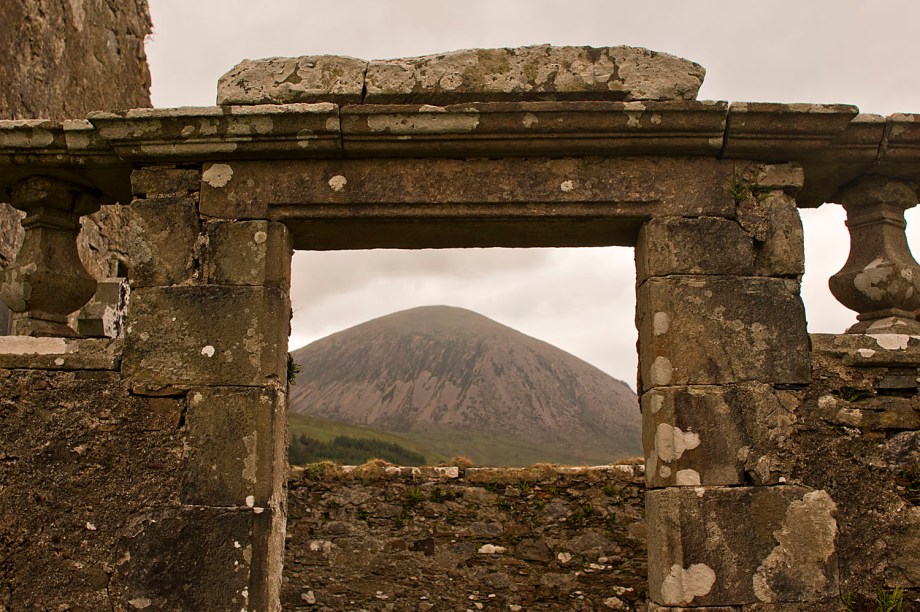
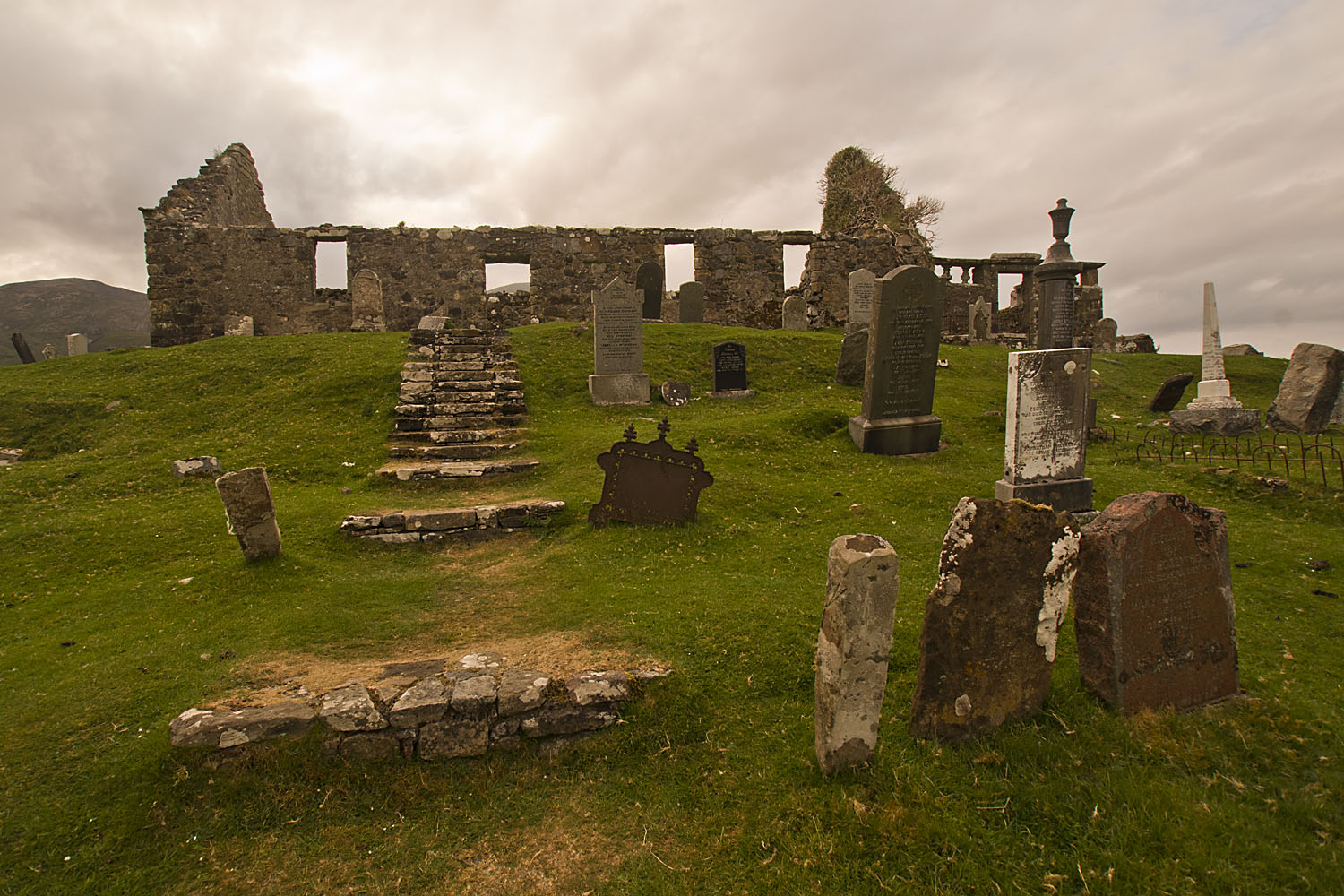
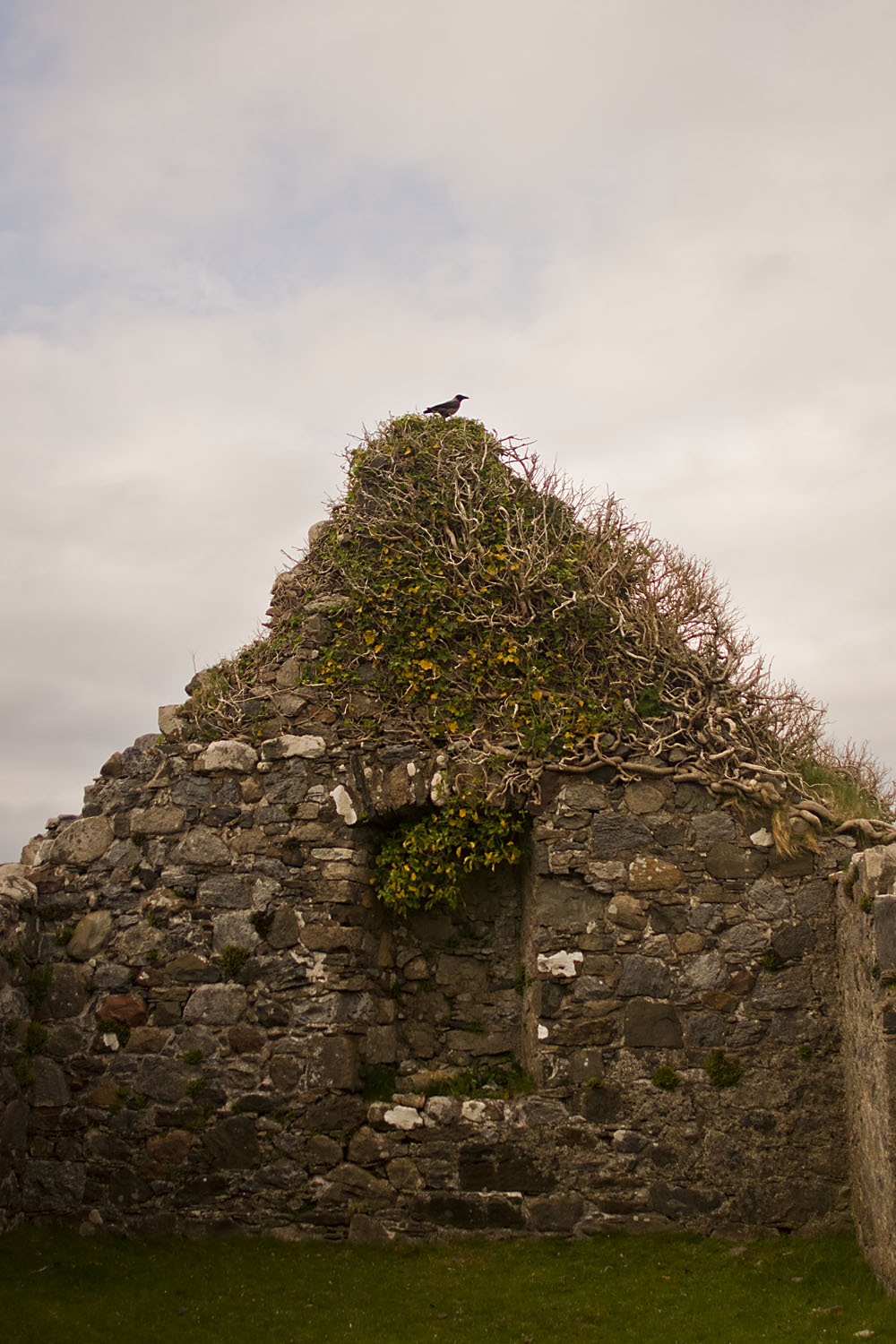
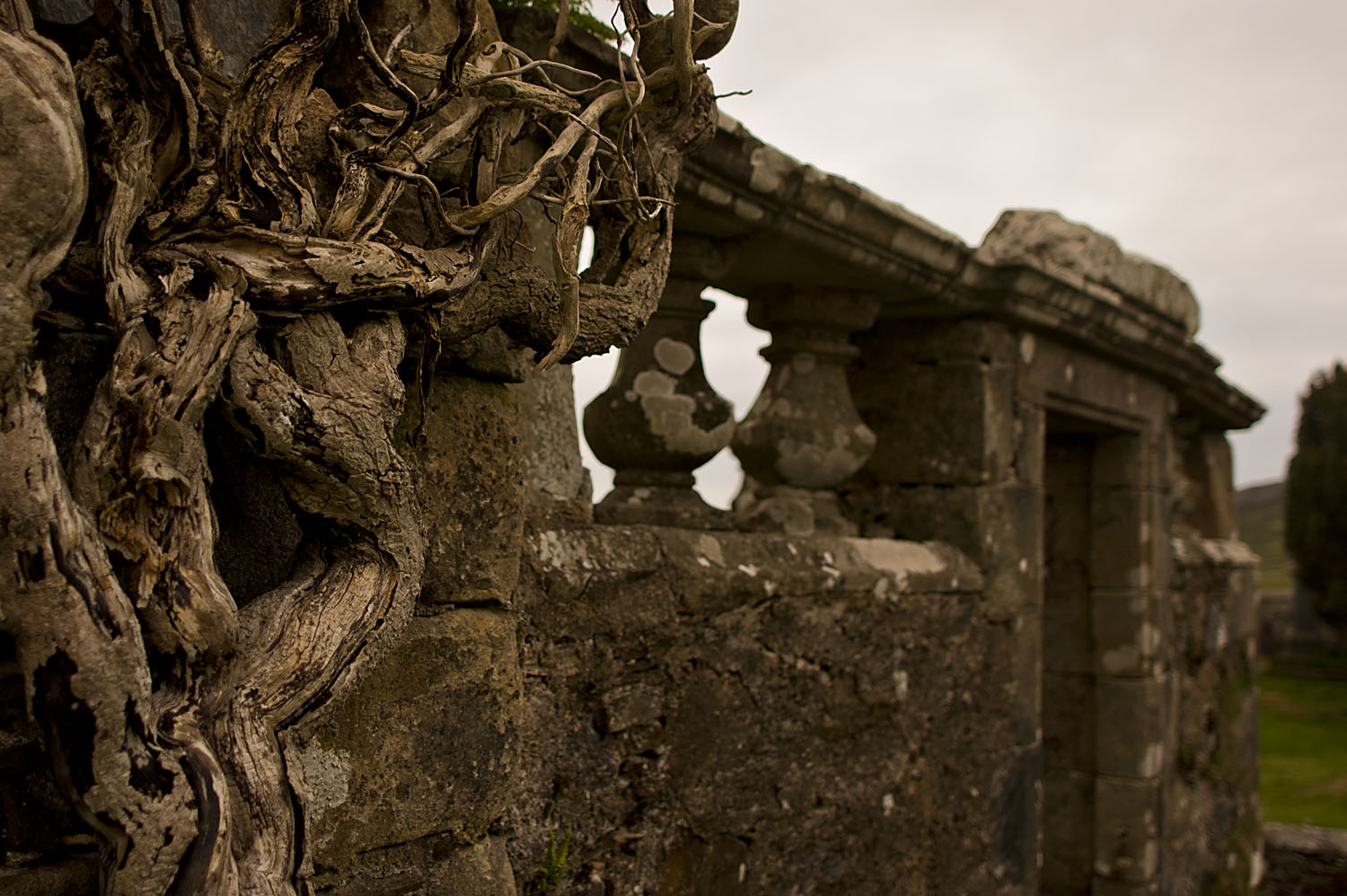
Cill Chriosd or Kilchrist meaning Christ’s Church is a ruined pre-Reformation parish church of Strathaird, Isle of Skye, Scotland. The first written record of the church located at this site is from 1505 when Kenneth Adamson succeeded John MacGillivray as chaplain. The parish was used by the community until 1840 when a new building was established in the near-by town of Broadford.
These ruins are so very quiet and calm, the only noise that one will hear is the bahs of lambs calling to their moms.
To enter the ruins, one passes through a small iron gate that is often left open, as can be seen by the neatly trimmed grass, a hallmark of the free-range sheep of the area.
The Red Hills and the sheep add a comforting and strangely desolate feeling to these ruins.
Cill Chriosd is an understated attraction, the only reason that we stumbled upon it was because we were staying just a few minutes up the road from it at Swordale House, a delightful bed and breakfast that I would recommend to anyone staying on the Isle of Skye.
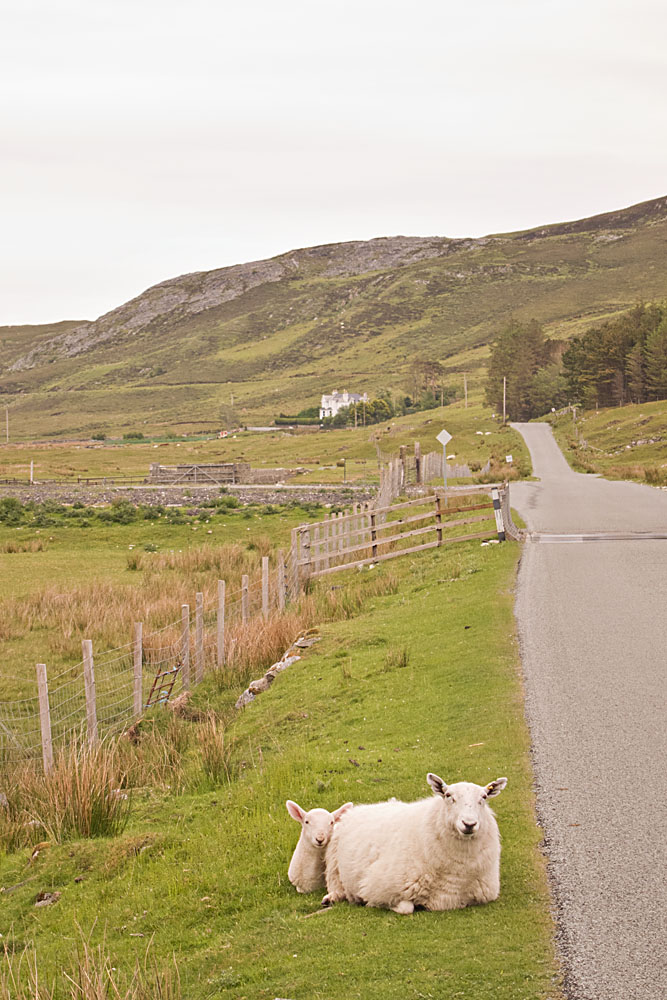
While Cill Chriosd does not offer the most spectacular of ruins, it is an impressive monument to hundreds of years of religious island life. You will not have to fight the crowds to explore this wonderful site, so be sure to stop by.
Cill Chriosd is about two miles from Broadford village on the B8083 road to Elgol.
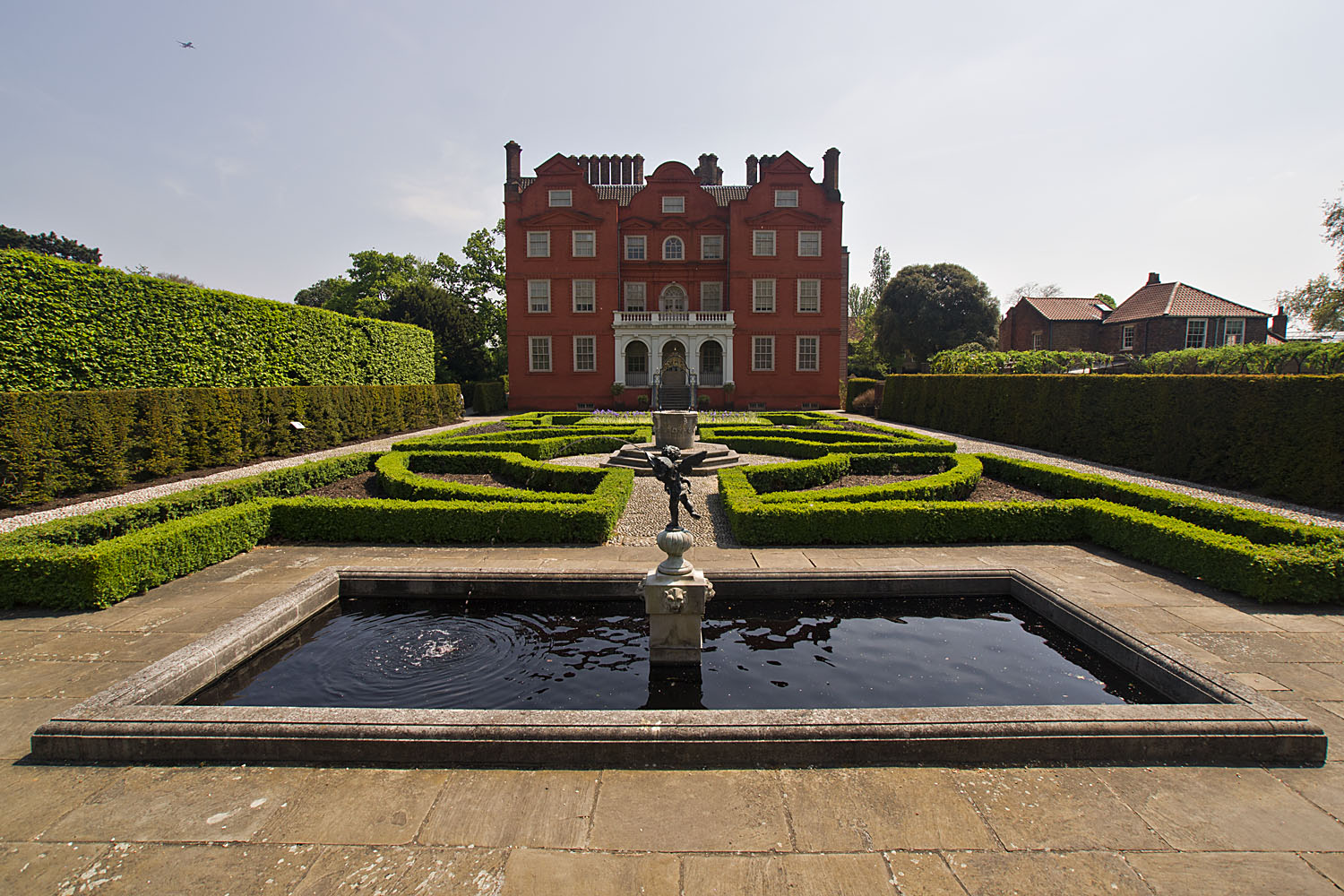
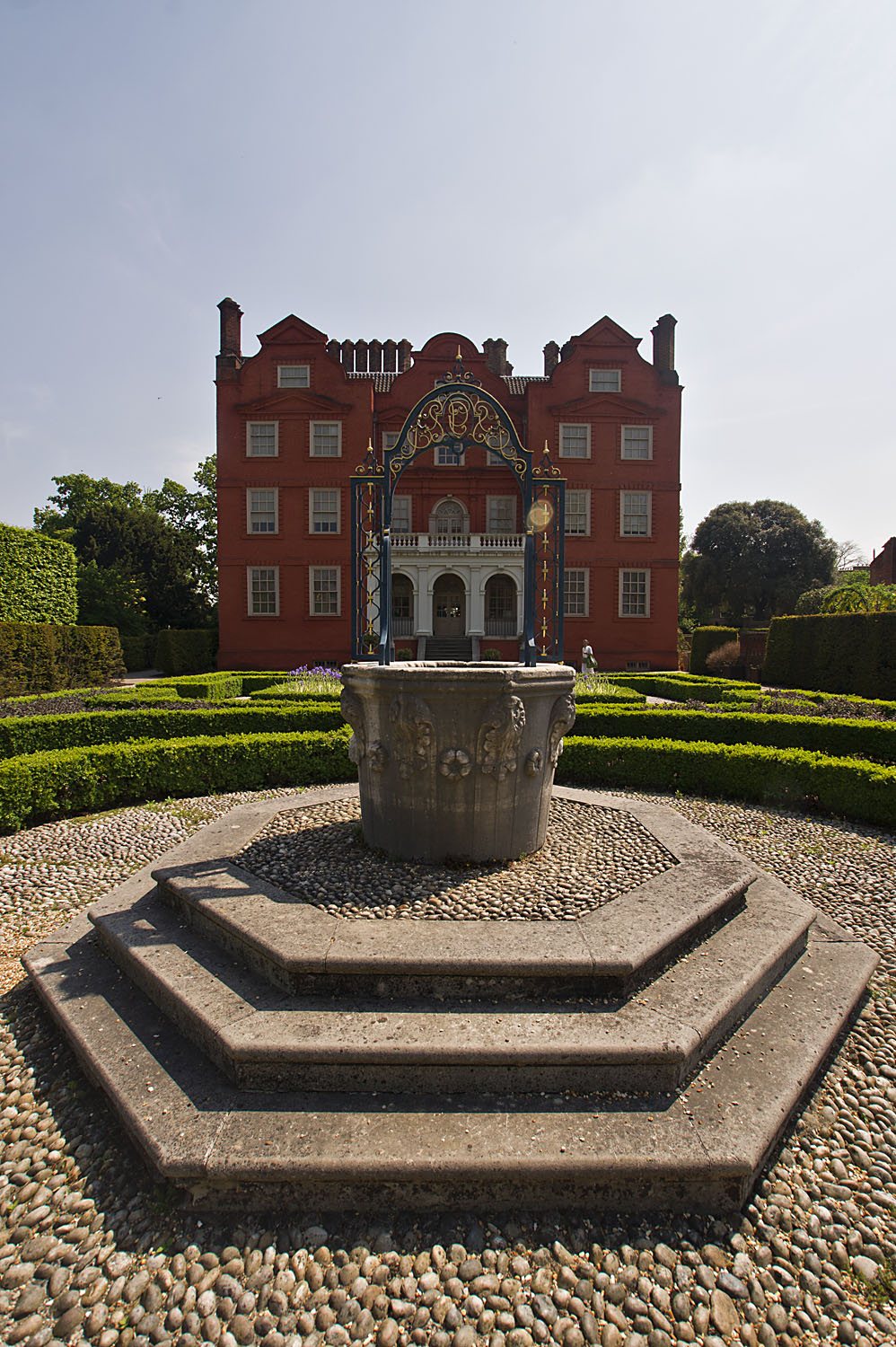
Kew Place is a lovely brick manor house located in the Kew Botanical Gardens, London.
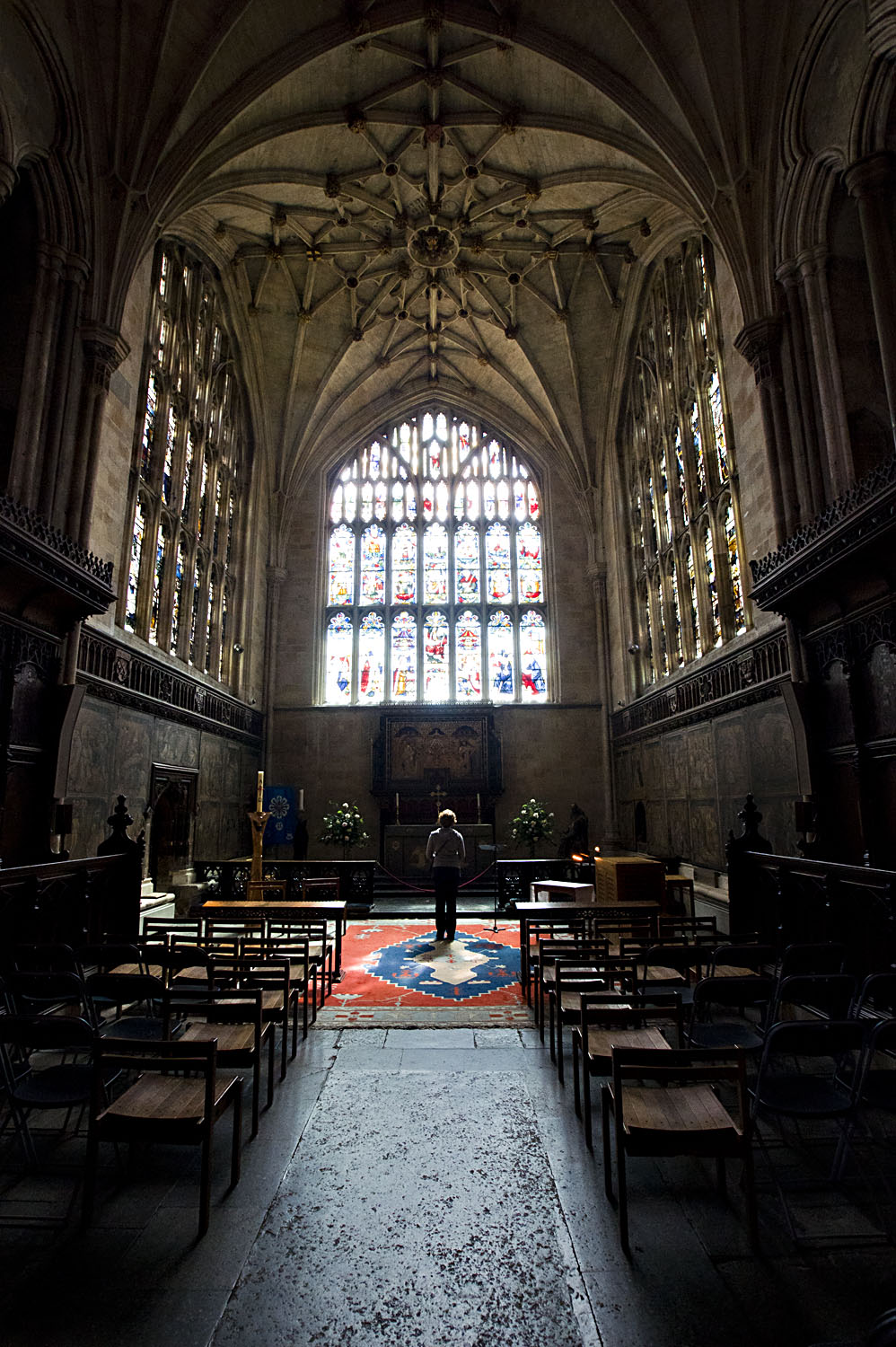
The plants in the Queen’s Garden are those grown in Britain before and during the 17th century.

This mallard liked the tranquility offered by this pond in the Queen’s Garden. The statue in the center of the pond is a copy of Verocchio’s ‘Boy with a Dolphine.’
We found the exterior of Kew Palace and the Queen’s Garden to be a wonderfully tranquil retreat from the rest of the gardens. The Queen’s Garden is one of the more structured outdoor gardens at Kew, making it a great location for traditional photography.
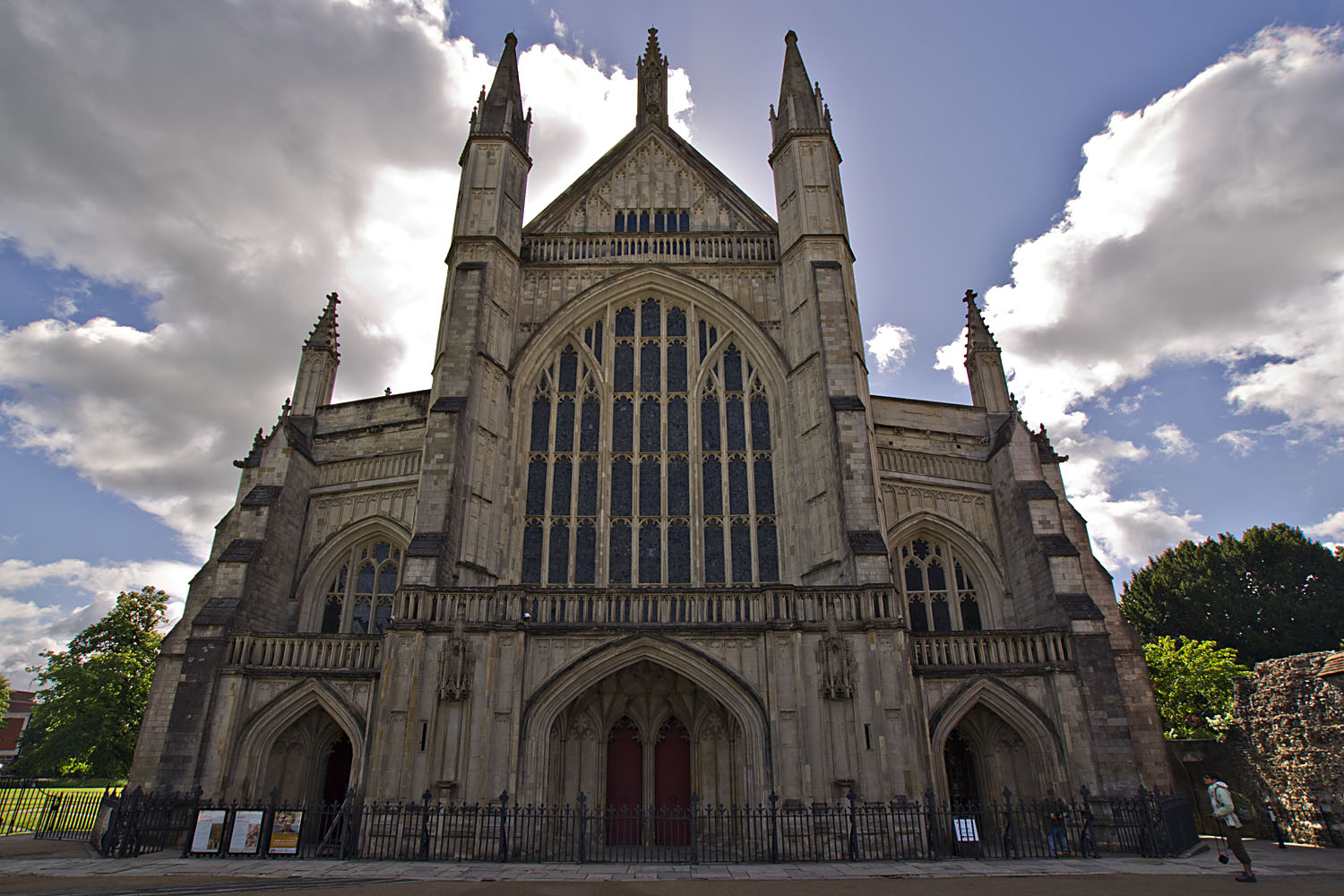
We concluded our last day in England with a visit to Winchester Cathedral, it was amazing.
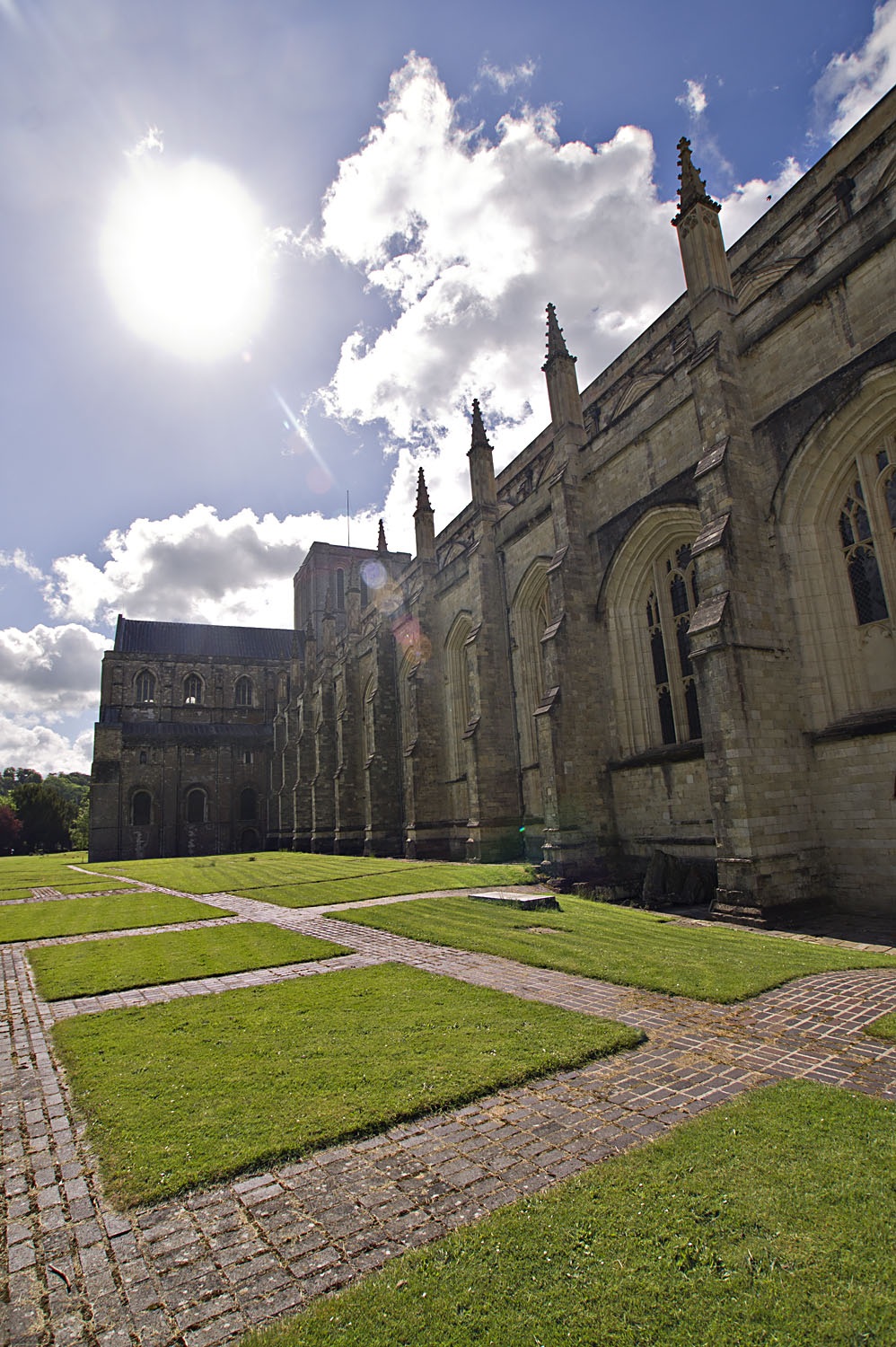
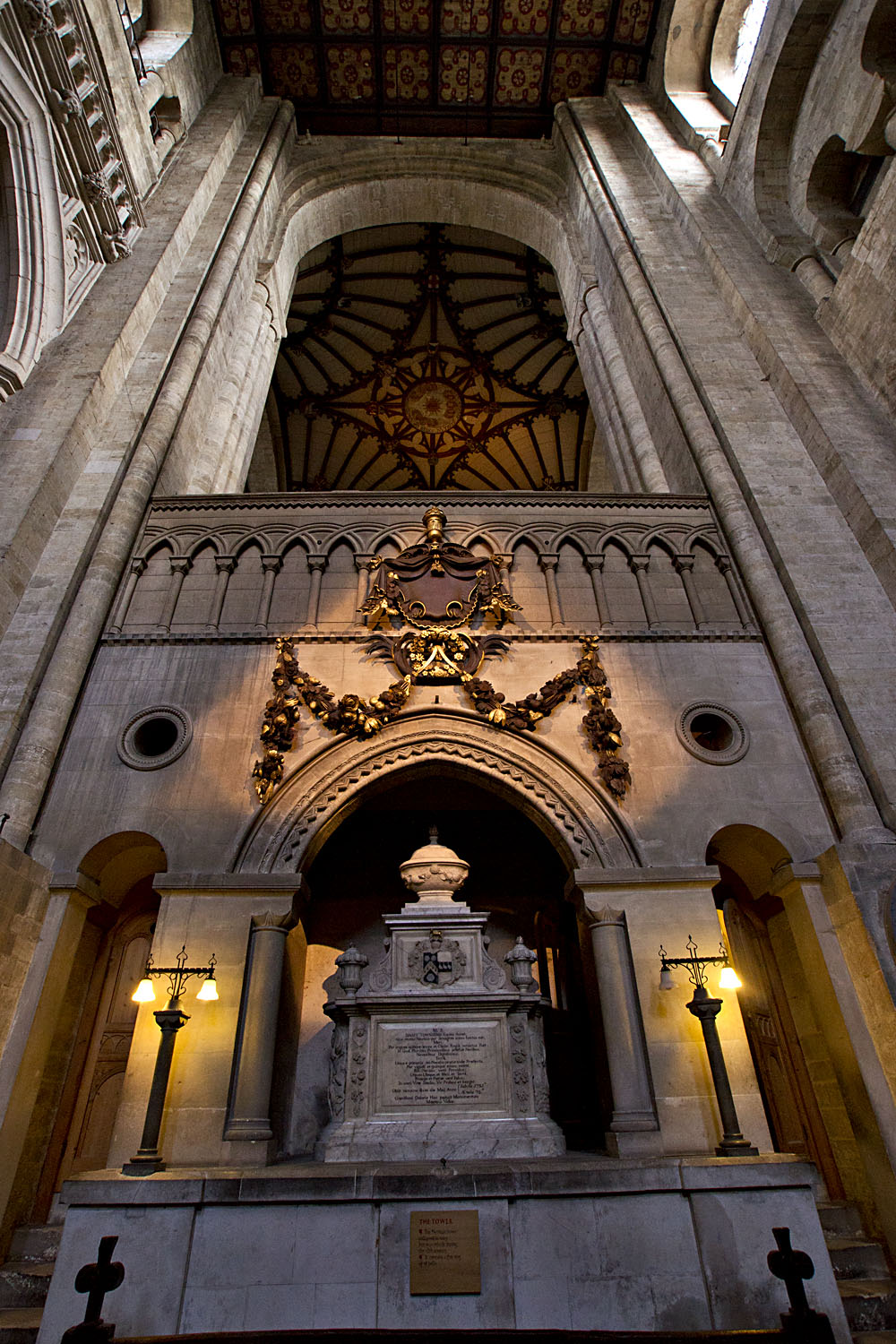
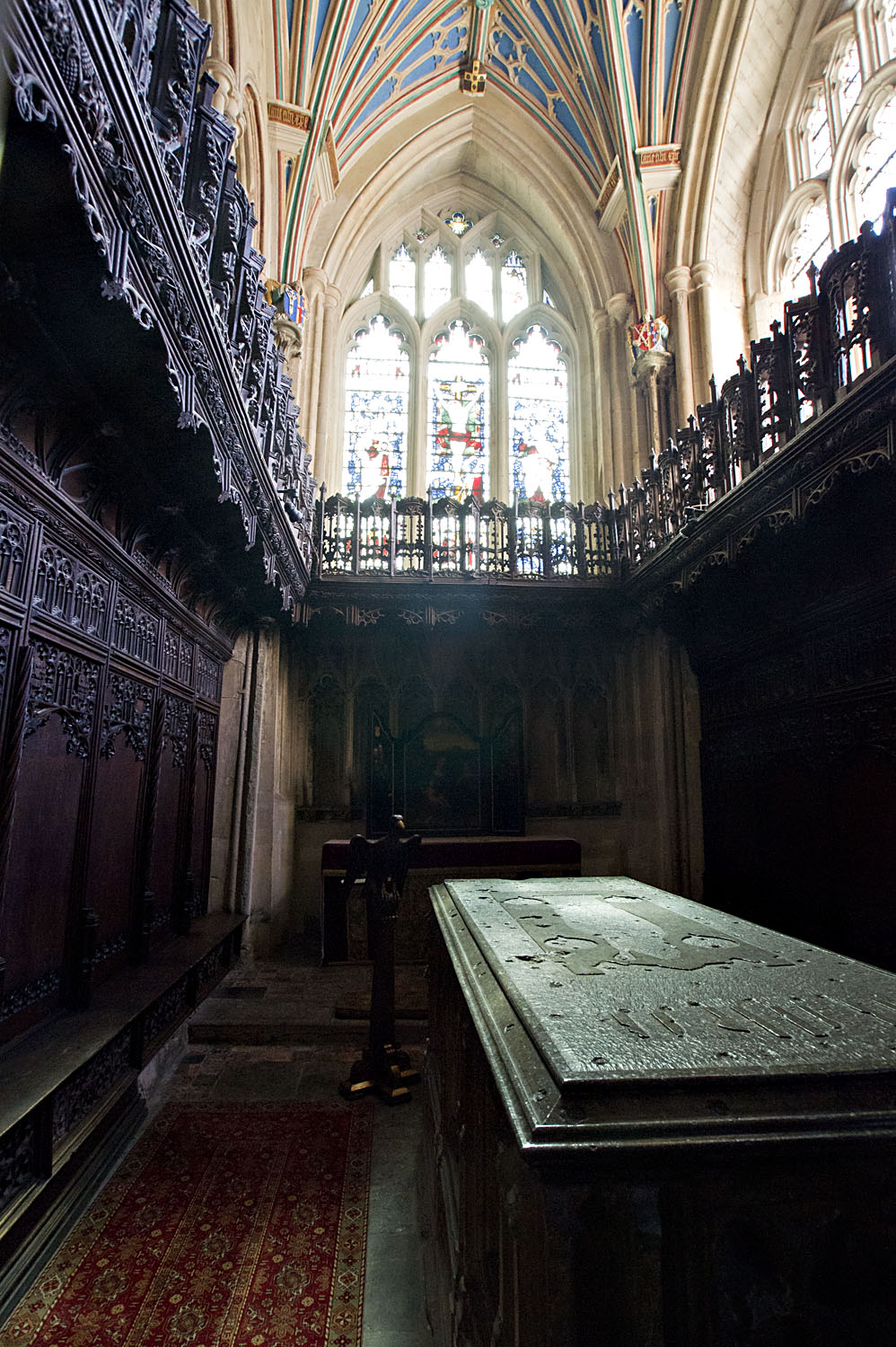
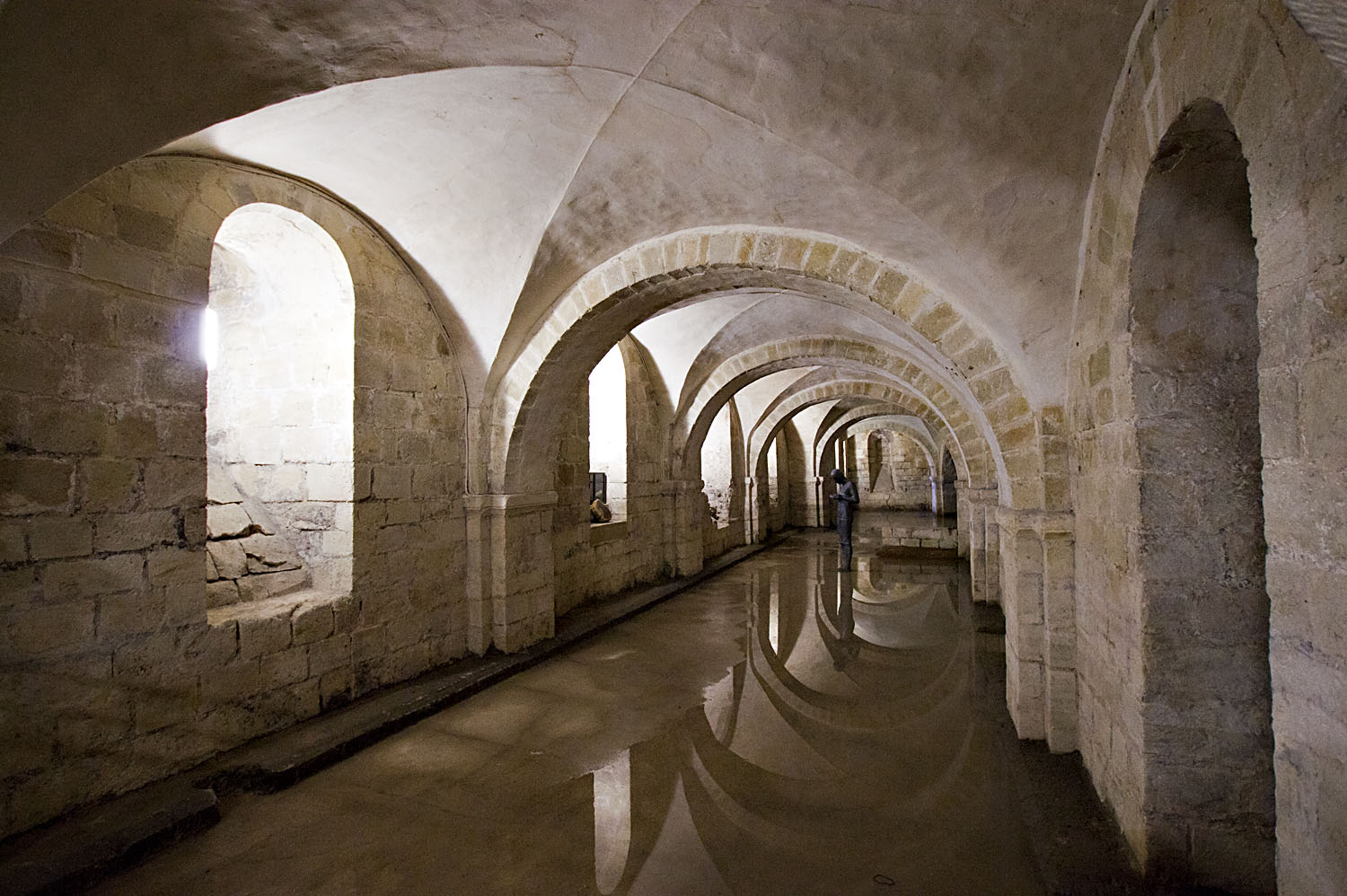
Winchester Cathedral is a Church of England Cathedral located in Winchester, Hampshire, England. The Cathedral boasts many great examples of English church architecture dating from the 11th to the 16th century.

West front of the Winchester Cathedral, the sun and clouds were all aligned perfectly for this photo

The Gothic window which was destroyed during the English Civil War was rebuilt in 1660 using the shattered glass from around the Cathedral

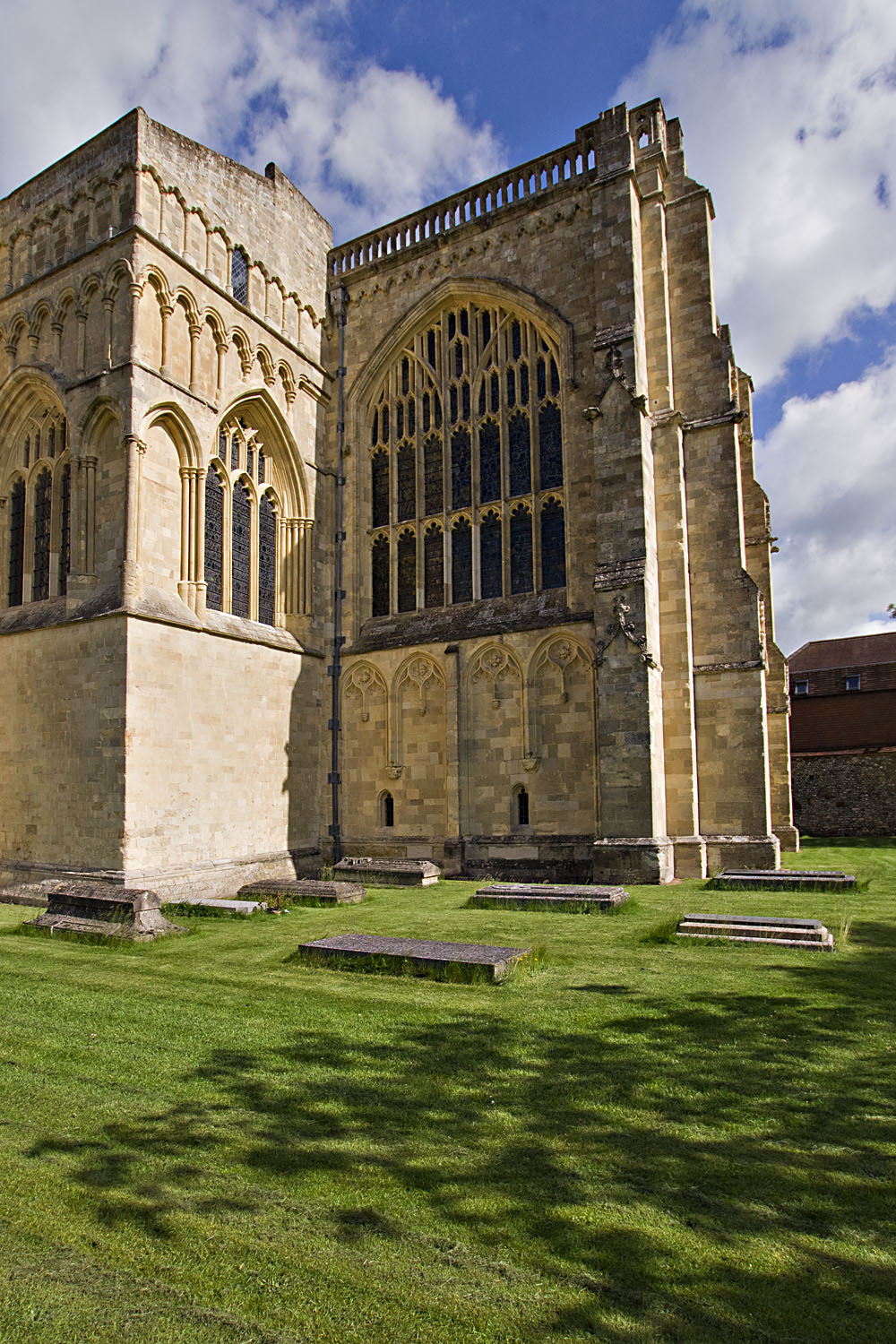
The flying buttresses of the Cathedral are a Gothic characteristic of the building. Flying buttresses keep the walls of the nave from bowing outwards.

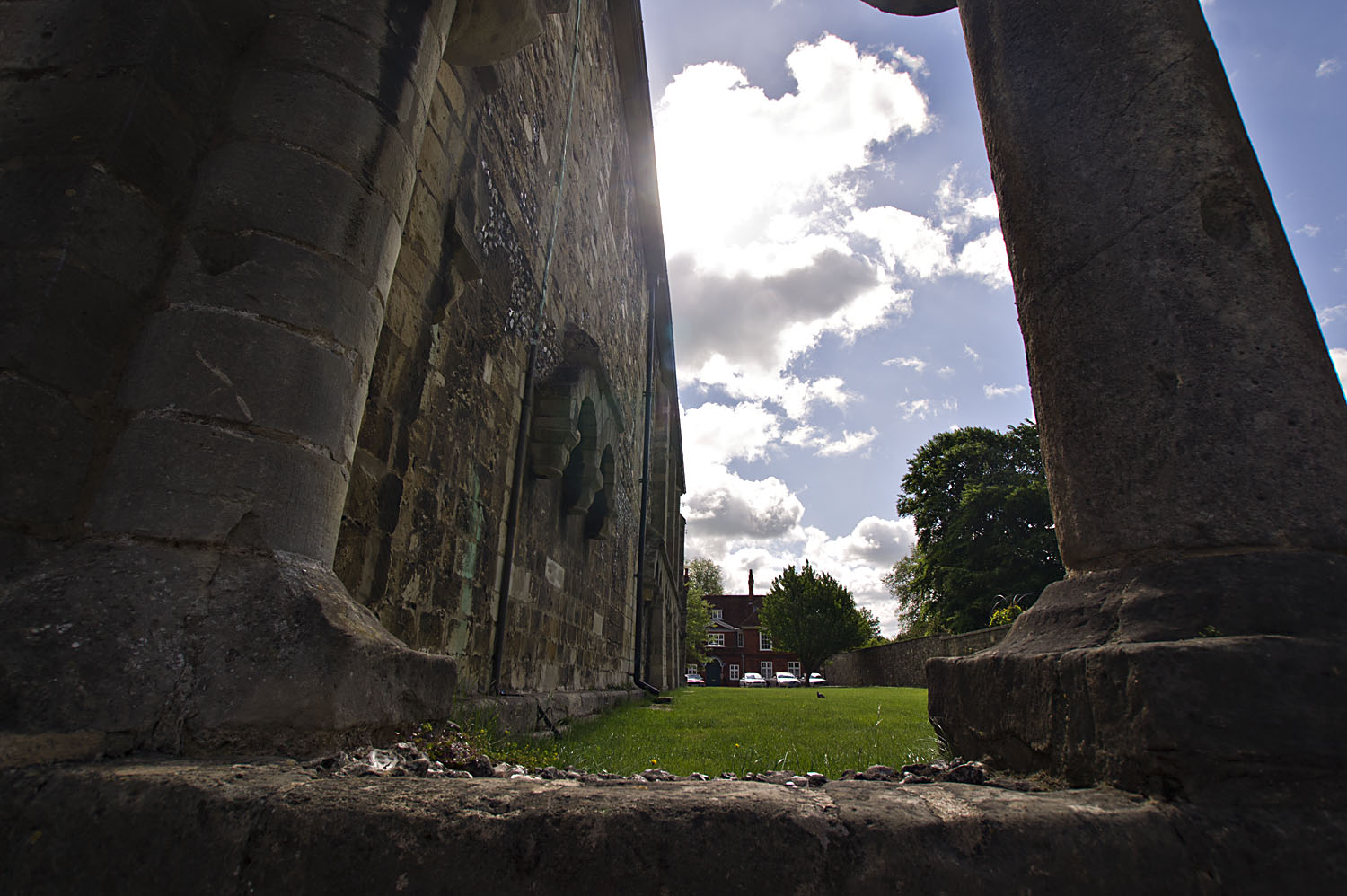
This is the north side of the Cathedral, the brick paths trace the foundations of Old Minster built-in 634 and demolished in 1093
This Cathedral is spectacular, if you are in the area visit it. For more information on Winchester Cathedral visit their website: http://winchester-cathedral.org.uk/
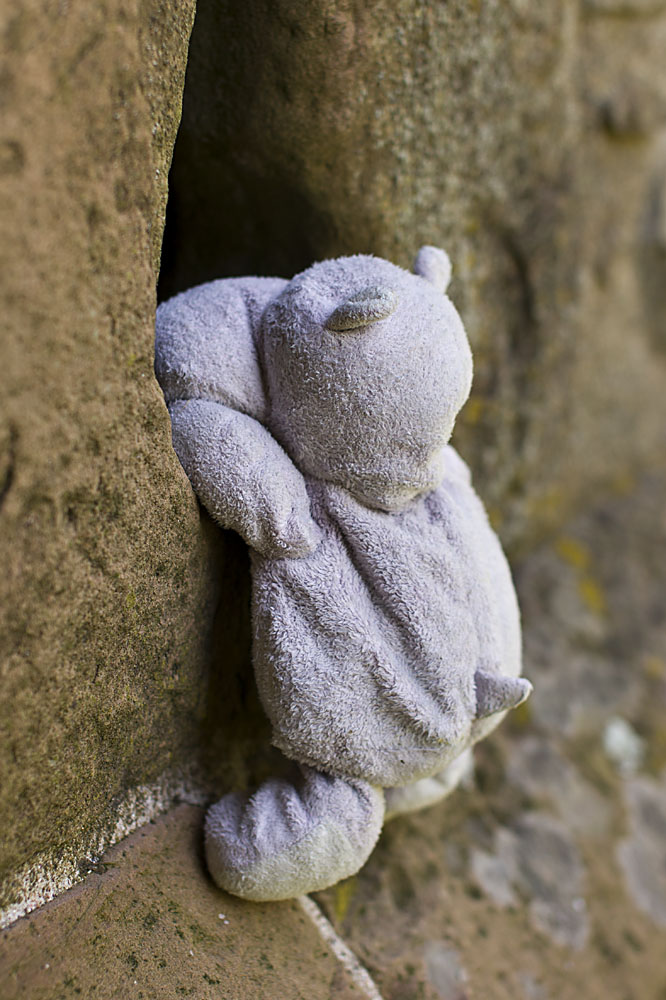
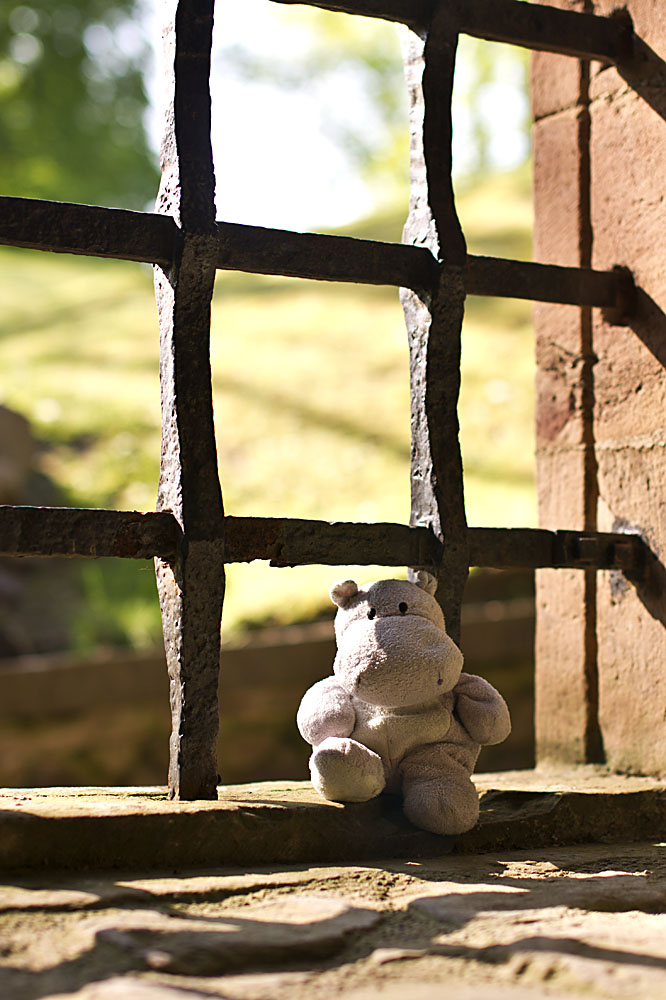
Travel Tip #6: Advice from a Purple Hippo
It is important to be aware of closing times when visiting historic locations.

Exterior ruins of Huntly Castle situated in Aberdeenshire, Scotland
One can easily become enthralled to the point of distraction when visiting fascinating castles.
While this is usualy a good thing, it can lead to disaster if one is not aware of the castle’s closing hour.
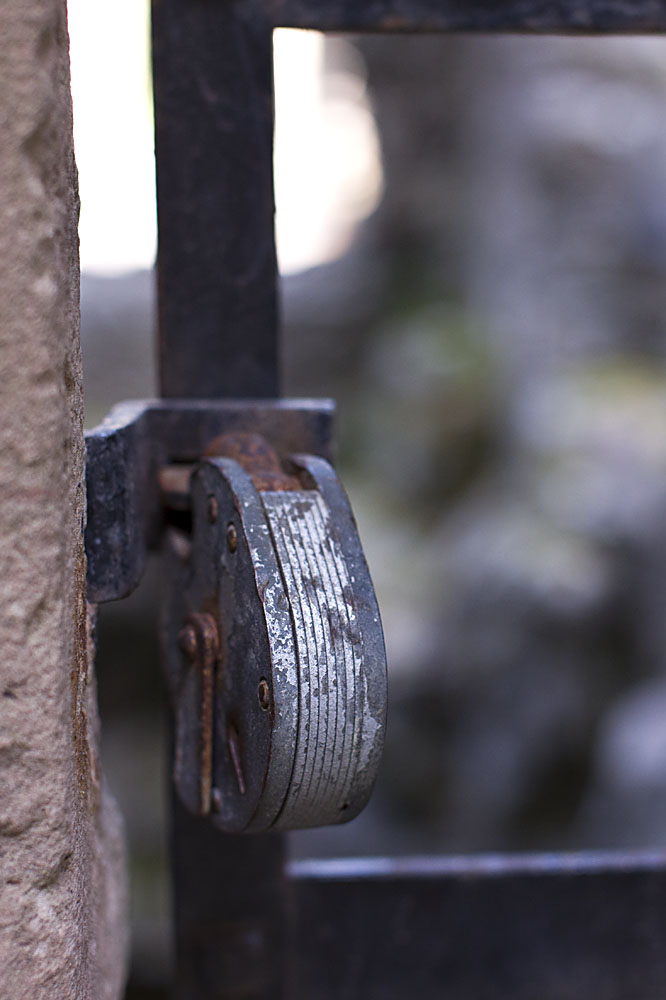
When a castle closes they lock the two means of entrance and escape that the entire place has to offer.
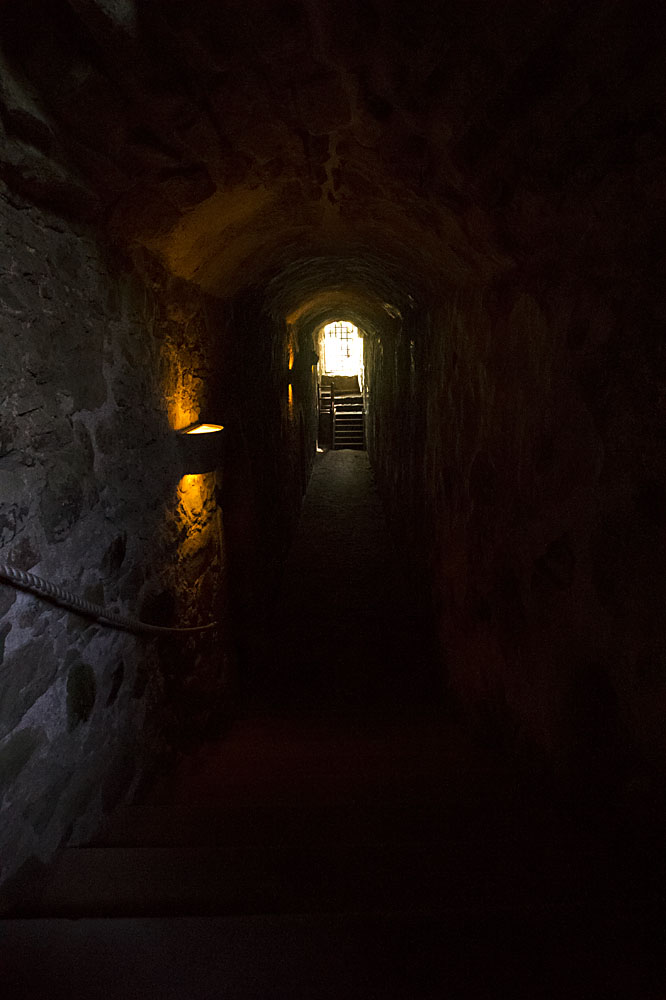
You may see what appears to be an exit.
But it never is, you will quickly learn that castles were built as defense structures, making exiting them quite difficult.
Once you understand that there is no means of escape, you must phone the local police and inform them that you seem to have gotten yourself locked in the castle and could they please come let you out. When phoning the police it is also helpful to know the name of your prison, which is why Travel Tip #5 is so important.
Once you have phoned the police, wait about an hour until they send someone to extract you.